From Mirror Neurons to Mirror Brain
Seeing the brain as a ‘mirror brain,’ we can see how empathy plays a crucial role in many things mind-related. Empathy is not an add-on. The human thinking is basically empathic. This is an excerpt from [see: “The Journey Towards Compassionate AI.”]. (This blog text is no easy reading.) Some researchers see mirror neurons as Read the full article…
How to Unify Ideologies
In four steps. I hope this clarifies the direction to take and which one not to take. In-between lies a huge but not insurmountable hurdle. Ideology = deep values In due time, these may become an integral part of one’s conscience. [see: “What about Conscience?“] An ideology is (almost?) always based on preexisting values. It Read the full article…
What about Conscience?
At first, I see conscience as part of the ‘natural you.’ Then it can become occupied by cultural rules and regulations. The way one handles this can be either Compassionate or precisely not. This is an excerpt from [see: “The Journey Towards Compassionate AI.”]. Conscience as a concept is – don’t be surprised – hard Read the full article…
Resistance to Change
People may want to change at the surface, but not in-depth. If the cause of some maladaptation lies in depth, change may be simultaneously sought and resisted. Resistance as fence >< as lack of motivation A particular reason for not wanting to change is like a mental fence that protects the person from uncomfortable feelings Read the full article…
How to Turn a Square into a Circle
‘Turning a square into a circle’ is a metaphor for psycho-therapy. There are two opposite directions: from the inside out and from the outside in. Preliminary In this text, I denote with the term ‘psycho-therapy’ the domain of psychotherapy and mind-related coaching in a broad sense. This text describes a conceptual landscape. Any practitioner, any Read the full article…

Insight is a Path
The way one reaches an insight is at least as important as the insight itself, viewed as an accomplished piece of knowledge. This is highly important in many situations. Please read [see: “Insight is Not a Supermarket“] Close to wisdom As I use the term, insight is more than just an intellectual idea. It always Read the full article…
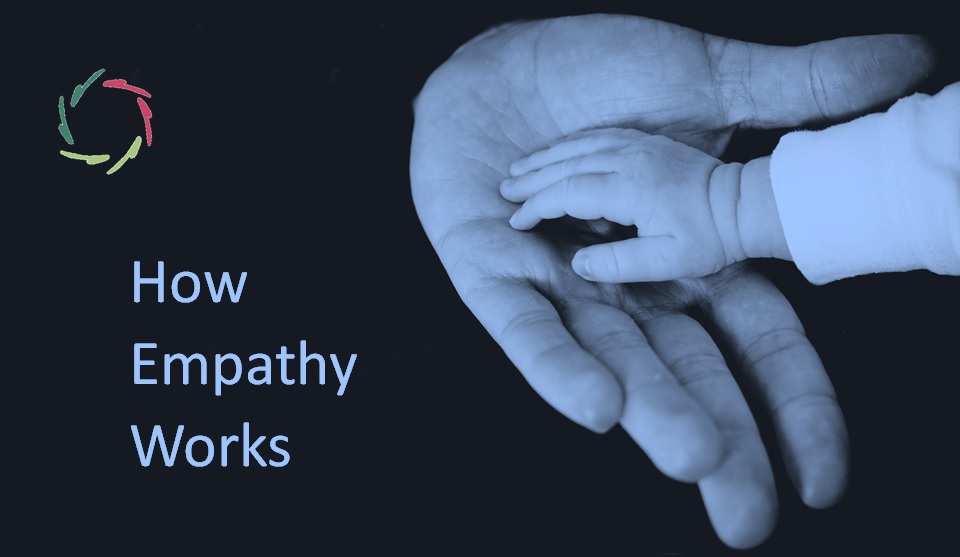
How Empathy Works
This is an explanation at the mental-neuronal patterns level. Encompassing this, empathy goes beyond the purely conceptual, towards ‘big-c-Compassion.’ Please read [see: “Landscape of Empathy“], [see: “Essence of Compassion“] This text is a high-level explanation Being theoretical, it doesn’t delve into the how of making empathy work better depending on the goal. It does show Read the full article…

Always Avoidance, Always Attraction
From bacteria onwards, life has been about avoidance and attraction. This is still the case within the human being, including the mind. Depending on this, we heal or become sick. The mental-neuronal level As neurocognitive science increasingly shows, our ‘universe inside’ contains a myriad of mental-neuronal patterns. [see: “Patterns in Neurophysiology“] These are activated and Read the full article…
Most Drugs are Symptomatic
‘Doctor curat, natura sanat’ (The doctor treats, nature heals). This slogan should get a place of honor in every physician’s waiting room. (an excerpt from [see: “Your Mind As Cure“]) This becomes more obvious when you check how many medicines only alleviate the symptoms until the sick person naturally heals himself in body and mind. Read the full article…
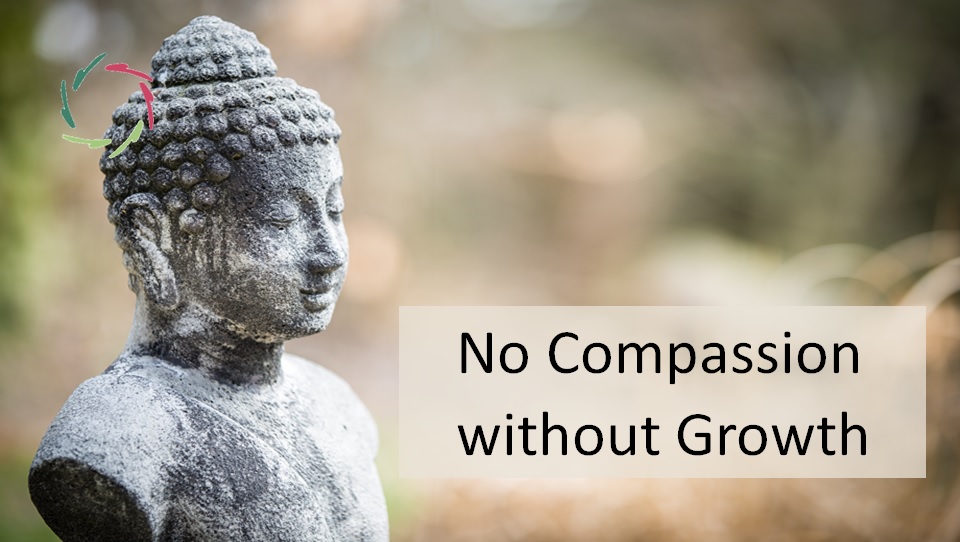
No Compassion without Growth
Striving towards Compassion puts you in the balance. Are you willing to take the risk? Are you willing to fundamentally ‘grow’? This is about big-c-Compassion ― not something pity-like. [see: “Essence of Compassion”] Please also read [see: “Growth, Compassion, Love”] Compassion will not happen without effort. A Compassionate person doesn’t mind the effort. Like Grace Read the full article…
Fire and Stones
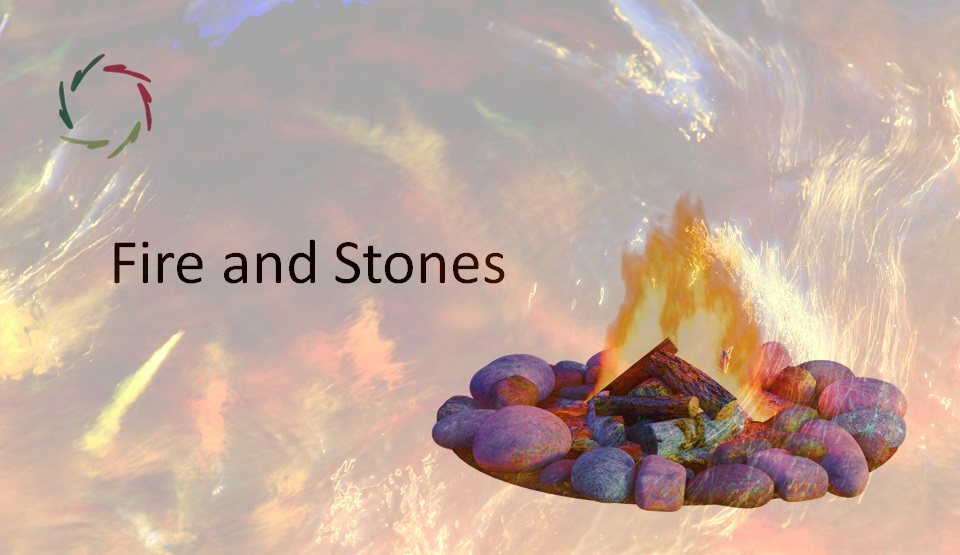
The way of the heart and the way of the mind. Compassion and Wisdom. [see: “Essence of Compassion“] A Buddhist image Of course, applicable everywhere. Imagine a campfire somewhere in a forest. Wood is available plenty so that one can build a decent fire. In a circle around the fire, stones are laid down nicely, Read the full article…
How to Read an AURELIS Blog
► To get this in your email, RSS…, click here. ◄ This blog-wiki encompasses various domains from an AURELIS viewpoint, based on modern science which is making massive progress in the domain of subconceptual, non-conscious processing. This has immense influence on how – as total beings – we feel, think, decide, and act. A central AURELIS Read the full article…
The Future is Prediction
I bring the concept of prediction from different angles to show the common ground. Through this, one may get a glimpse of its future importance. The Future of A.I. The concept of prediction pops up regularly in different ways to look at future A.I. developments. For instance, in temporal difference (TD) learning as expanded upon Read the full article…

I Want to Do in Group
This may be the most fundamental motivational sentence. David McClelland’s motivation theory This is arguably the most prominent motivation theory. It suggests three basic needs for anyone: the need for power, achievement, and affiliation. Many see in this distinction three different personalities, promptly dividing people into three classes: a) those mainly bent on power and control; Read the full article…
Is a Good Coach Makeable?
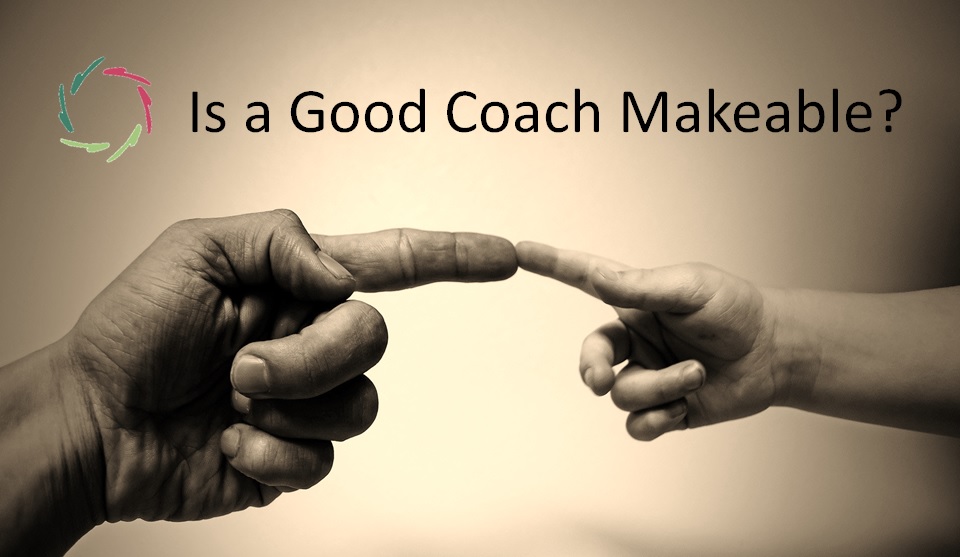
In a broad sense, much in the world hangs on this. The answer depends on a profound view upon the human being. What is a good coach? Straightforwardly, a good coach is a successful coach. But what is success in coaching/therapy? This question may be answered in several ways. [see: “What is Success in Therapy?“] Read the full article…

What is Success in Therapy?
This is as simple and as complex as the primary choice about the goal of therapy. In this text, I try to describe the problem domain. For now, let’s take psychotherapy and coaching as synonyms at a higher level. We are talking about the broad domain of healthcare now, including psycho-somatics. Most straightforward answer: If Read the full article…

About Open Communication
Open Communication ― encompassing the subconceptual ― is like opening doors together with another person and you don’t know what lies behind them. Please read [see: “Deep Listening”], [see: “About ‘Subconceptual’“] Towards empathy-beyond In Open Communication, Openness is empathy beyond the conceptual. It is also the aim of such empathy. [see: “Empathy in 1, 2, Read the full article…