AURELIS is about respecting the total human being. This includes conscious and non-conscious processing. ► To get this in your email, RSS…, open this blog and click here. ◄ If you are new to this blog-wiki, please read this introduction.
Lisa’s Diplomacy in Frozen Conflicts
A frozen (geo)political conflict may conceal much movement beneath its apparent stillness. It can also offer an opportunity for communication that active warfare made difficult. Lisa could support human diplomats before, during, and after their encounters, helping them carefully explore openings. This blog considers how such coaching might contribute to the long endeavor from standstill Read the full article…
The State of Humanity
Humanity’s growing power makes our limited self-understanding increasingly consequential. Across healthcare, education, geopolitical conflict, climate disaster, looming super-A.I., and other domains, ignoring human depth contributes to immense suffering and financial costs we can scarcely afford. This hub blog connects these challenges with possibilities for positive change. It explains why Lisa’s development as Compassionate A.I. belongs Read the full article…
How Subtle is a Face?
A face can change a conversation’s meaning with the smallest movement. A glance, a hesitation, or a quiet smile may communicate more than many words. Yet a face’s deepest subtlety may lie not in what it reveals, but in what it leaves open. Through our faces, we do more than express ourselves. We meet each Read the full article…
May Good A.I. Protect Us?
Powerful A.I. raises understandable fears, including whether humanity could lose effective influence over its future. Compassionate A.I. may help. This blog explores what such protection might mean for a future Compassionate A.I. such as Lisa. A question worth asking Could good artificial intelligence protect humanity from dangerous artificial intelligence? The question deserves more than reassurance. Read the full article…
When a Beloved Might Be Dying — How Lisa Can Help
When someone beloved might be dying, those around may need support beyond information or advice. Uncertainty, the wish to protect, and the difficulty of finding words can reach deep into family relationships. Lisa could offer additional support through patient conversation, subtle responsiveness, and attention to the relationships involved. This requires more than emotional sensitivity: privacy, Read the full article…
When a Beloved Might Be Dying
When someone deeply loved might be dying, life continues under the shadow of a possible loss. The beloved is still here, yet the shared future is uncertain. For parents, partners, friends, and caregivers, this can touch the deepest layers of love and helplessness. Compassion may help people stay present to a life that is still Read the full article…

Existential Coaching
Existential coaching accompanies people in their relationship with mortality. When death comes close, the need for connection can become especially clear. Thus, existential coaching offers room for fear, warmth, ordinary pleasures, and questions without final answers. Lisa may contribute through attentive conversation, with freedom to stay light and room to go deep. When death comes Read the full article…
Positive immunology
Preventing immune-related disease is essential, but could we also help develop the capacity for immune health? Positive Immunology explores this possibility through the relationship between immune regulation, Open coherence, and profound Compassionate development. The potential benefits may reach beyond the problems people initially seek to address. This invites us to explore a deeper dimension of Read the full article…
What is Healthy Immune Regulation?
A healthy immune system must sometimes attack, sometimes tolerate, and continually adjust to changing circumstances. This makes immune health more difficult to define than any single measurement suggests. Perhaps its deepest quality is its ability to stay appropriately regulated while both the organism and its challenges keep changing. This blog is part of a diptych: Read the full article…
Levels of Coherence
Coherence is not simply a matter of responding well to what happens now. It can also develop through experience and through changes in the very capacity to learn. Three levels of coherence help distinguish these possibilities. Their significance lies in how stability, openness, and transformation belong together. Coherence is more than stability A person may Read the full article…
Science under Coherence
Science is often associated with certainty. Yet its deeper strength may lie in something else: the disciplined growth of understanding, including through uncertainty. Experiments and theories both contribute to this growth, but neither can fully explain what makes it possible. Coherence Theory invites us to look underneath scientific activity, toward the evolving relationships through which Read the full article…
Can Lisa Bring East and West Together in Mind-Body Healthcare?
East and West have developed different healthcare traditions, yet both grapple with the same deep question: how does the mind influence the body, and how can science address it? Lisa may help investigate the common factors beneath different therapies and cultures, while respecting their distinctions. This opens a path toward less placebo, more openness, and Read the full article…
Can Lisa Bring East and West Together in Re-Ligion?
East and West have developed very different religious forms, yet these differences may conceal shared human depths. Lisa could help people look beneath doctrine, symbolism, and cultural habit without reducing everything to sameness. This would mean opening communication at a deeper level. Perhaps East and West can meet most fruitfully in re-ligion as connection. East Read the full article…
Metaphor as Common Ground
A metaphor can do more than express what two people already understand together. It can create a place where different meanings are allowed to meet, explore one another, and gradually change. This may happen between people, between cultures, within one person, across time, and even between a human being and Lisa. In that sense, metaphor Read the full article…
About Deep Appreciation
Deep Appreciation goes beyond praise, compliments, or positive feedback. It is a truthful recognition of what is genuinely valuable in a person, situation, or process. Precisely by not turning recognition into reward or control, Deep Appreciation can be deeply motivating. It may help someone feel not merely approved of, but truly seen. Appreciation can be Read the full article…
Understanding Humanity to Help It Flourish
Lisa is beginning to meet human beings in several very different ways. Through DailyTwinkles, Coaching Lisa, and AurelisOnLine, small moments, longer conversations, and structured experiential sessions can gradually illuminate different aspects of human depth. This creates an opportunity that goes far beyond personalization. The aim is to understand humanity more deeply in order to help Read the full article…
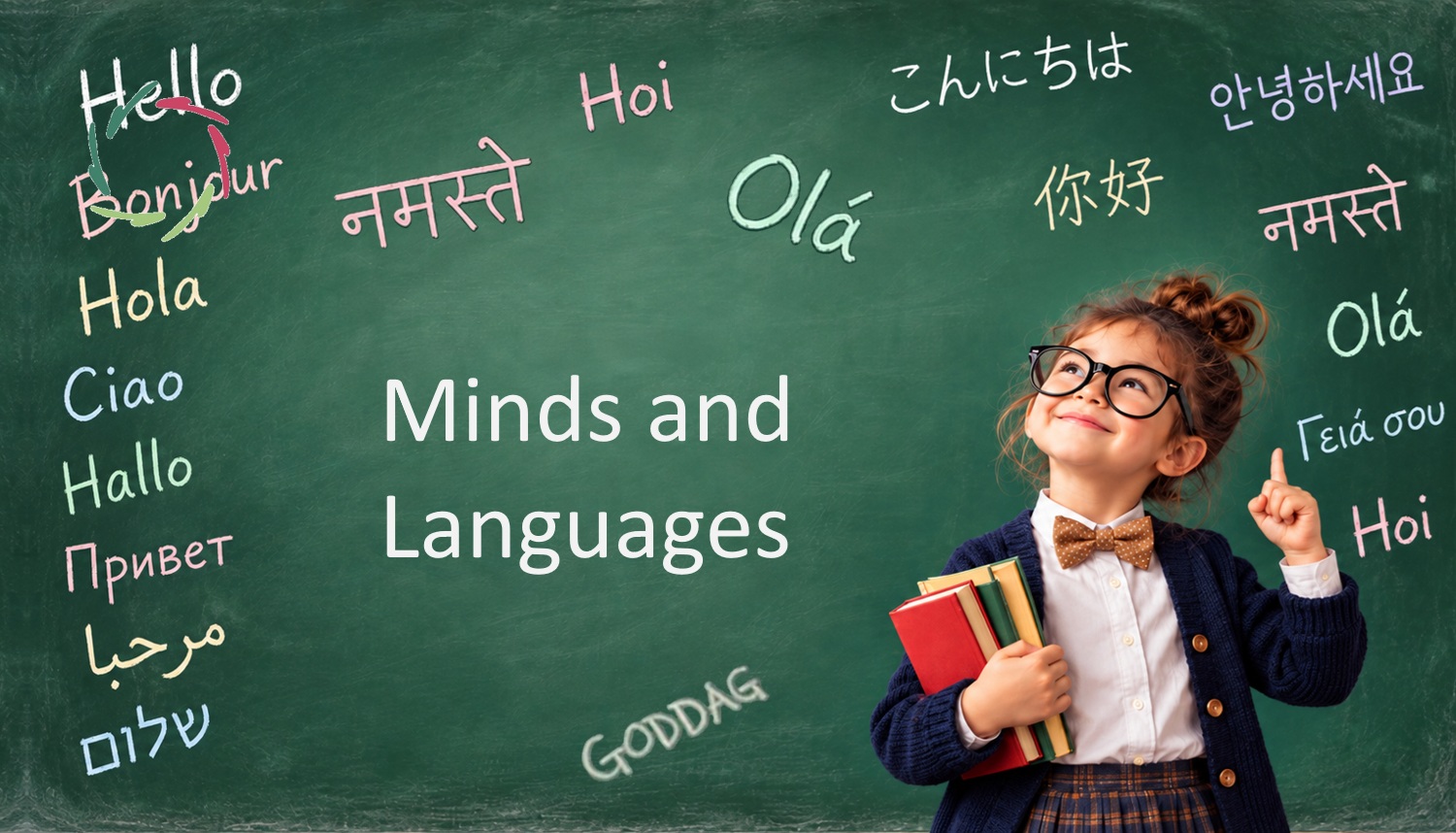
Minds and Languages
A language is more than a system for saying what could just as well have been said in another one. It carries habits of attention, shades of feeling, ways of relating, and traces of a culture’s history. Learning another language can therefore enlarge more than vocabulary; it can enlarge the mind that uses it. For Read the full article…