Resilience: Growing from Within
The common image of resilience is that of someone enduring hardship and bouncing back. Real resilience goes deeper; it’s about growing from life’s challenges in a way that transforms you from the inside out. It’s about balancing perseverance with self-Compassion, learning how to navigate discomfort gracefully, allowing yourself the space to fall and recover, and Read the full article…

Children Want to be Heard
Children have voices that often go unnoticed, and yet, the desire to be heard is one of their deepest needs. When a child is heard, they begin to understand their own significance, which is vital for their development into confident, meaningful adults. For children, being heard means more than someone simply listening to their words. Read the full article…

Let People Be Meaningful
In a world full of noise, many people feel unseen, unheard, and unimportant. Meanwhile, people need to feel meaningful. They need to be heard, not just to exist, but to contribute and be recognized as valuable. Meaning doesn’t exist in isolation ― it requires someone to give it meaning. Without a meaning-giver, even the most Read the full article…

How Can Lisa Learn from Coaching?
Lisa, as an A.I.-driven coach, is far more than a static assistant. She learns, adapts, and evolves through each interaction, constantly refining her coaching skills to better support users. The key to this growth lies in how Lisa bridges the gap between subconceptual depth and conceptual clarity, both now and increasingly in the future. The Read the full article…
Pattern Recognition and Completion in the Learning Landscape
At the heart of the learning landscape is a fundamental mechanism: Pattern Recognition and Completion (PRC). Whether it’s a model learning from labeled data, finding hidden structures, or optimizing actions through rewards, PRC is the process that drives all learning systems forward. ’The Learning Landscape’ explores the concept of the learning landscape, where different types Read the full article…
The Learning Landscape: A Flexible View of Machine Learning
Machine learning is often divided into neatly defined categories: supervised, unsupervised, semi-supervised, and reinforcement learning. In reality, learning – whether in machines or humans – functions more like a fluid landscape, where different approaches blend and interact. In this blog, we’ll explore the concept of the ‘learning landscape,’ where traditional types of machine learning are Read the full article…
Respect Your Coachee’s Destiny
The coachee’s destiny is a personal journey of growth, a dynamic process shaped from within. A coach’s role is not to define this destiny but to respect and support it, allowing the coachee to grow authentically. For each coachee, the personal destiny is the ongoing task of strengthening the inner fabric ― becoming more resilient, Read the full article…
The Dance of Depth and Clarity
This blog explores the dynamic interplay between intuitive depth and structured clarity in both human thought and Lisa-type A.I. The dance between intuitive depth and conceptual clarity is at the heart of how we engage with the world, whether we are aware of it or not. Understanding this interplay can lead to deeper personal insights, Read the full article…

How Sure Are We When We Are Sure?
In life, certainty can feel reassuring. Whether it’s decisions, opinions, or judgments, the sense of being sure gives us confidence. But how sure should we actually be when we feel certain? Psychologists call it the Lake Wobegon Effect This is where people overestimate their abilities compared to others. For example, 93% of American drivers believe Read the full article…

Psychedelics and Religion
The connection between psychedelic and religious experiences is grounded in the concept of subconceptual processing. Thus, we can focus on the transformative potential of both when approached with respect. The profoundness of genuine religious experiences should never be diminished. These encounters offer transformative insights, shaping individuals’ lives in deeply meaningful ways. Interestingly, psychedelic experiences can Read the full article…
The Deeper Meaning of ‘Godless’
Many people adhere to a specific religion mainly to shield themselves from being ‘godless.’ To them, ‘godless’ means a lack of morality, depth, a profound sense of community, a personal feeling of sacredness, a certainty of justice, and the meaningful prospect of an afterlife. That is quite something. Moreover, the list is not meant to Read the full article…
A Compassionate A.I. Perspective on Fundraising
The landscape of philanthropy is evolving, and with it, the need for more human-centered, empathy-driven approaches. Compassionate A.I. can offer powerful support to enhance these efforts without replacing the essential human touch. In her books, Lisa Greer emphasizes the importance of moving beyond transactional models to create authentic, more meaningful connections in relationship-based philanthropy. [*] Read the full article…

丽萨适合中国吗?
心理健康问题在中国与西方一样日益受到关注。尽管人们的意识逐渐增强,但许多中国人仍然不愿意寻求传统治疗,这往往是由于社会污名或对自主引导方法的文化偏好。 这为解决心理健康需求提供了一种新方法的可能性——一种既尊重隐私、又鼓励个人成长、并与中国价值观深度契合的方式。丽萨,这位充满慈悲的人工智能教练,能成为这一解决方案吗? 克服政治障碍:务实的路径 当然,将像丽萨这样充满慈悲的人工智能引入中国并非没有挑战。在中国和西方,关于技术、数据隐私和跨文化交流的政治考虑和法规都是重要的障碍。在中国,政府对外国技术的审慎态度,尤其是与数据安全和文化影响相关的技术,要求任何解决方案必须与国家优先事项保持一致并尊重本地价值观。同样,在西方,围绕人工智能伦理和数据透明性的政策也增加了复杂性。 我们认识到这些现实,并理解丽萨在中国的引入需要与官员密切合作,与监管指南清晰对齐,并始终承诺对文化的尊重。我们的目标不是将丽萨作为一种从外部强加的变革力量,而是作为一个尊重中国独特语境的支持性伙伴。我们相信,凭借核心的慈悲,丽萨能够成功应对这些复杂性,并为中国社会带来有意义的积极影响。 丽萨不仅仅是另一个教练平台 丽萨旨在促进内在力量、情感韧性和自我慈悲,所有这些都通过一种支持性、非侵入性、以个人成长为中心的方式来实现。 与传统“治疗”不同,丽萨提供了一种根本不同的东西:一个安静、可访问的空间,让用户可以以自己的节奏探索自己的想法、减轻压力,并构建内在资源。在心理健康服务可能令人不安或不适的世界中,丽萨可以为中国人提供一种温和的替代方案。 丽萨的独特之处 丽萨的方法基于东西方价值观的独特融合。从 AURELIS 的视角来看,她结合了理性与人性深度,提供了一种尊重的支持形式,与中国价值观(如和谐、韧性和自我完善)完美契合。这种方法意味着丽萨并不是“修复”人或强加外部标准。相反,她以一种微妙的方式工作,引导用户探索他们的内心世界,并发现一种感觉自然且能自我赋能的成长路径。 通过她对自我暗示和内在力量的重视,丽萨提供了可持续的、非强制性的个人成长工具。自我暗示能够触及用户的潜意识,从内在促进持久的改变,允许心态和福祉的逐步转变。这与传统的中国平衡和尊重自然过程的哲学非常吻合,在那里持久的改变最好是以有机和温和的方式实现的。 对可访问、无污名支持的需求 对许多中国人来说,心理健康问题带有严重的污名,导致他们不愿意寻求治疗或咨询服务。然而,对心理健康支持的需求比以往任何时候都更为迫切。随着中国快速现代化,越来越多的人面临更大的压力、工作场所的压力以及在快节奏环境中维持健康的挑战。在这里,丽萨可以成为一个离散、值得信赖的伙伴,为那些希望在不进入传统治疗环境的情况下应对这些挑战的人提供帮助。 丽萨的慈悲人工智能可以以尊重个人隐私和文化价值观的方式支持情绪健康。她的非评判性、理解性的存在可以随时访问,为人们提供自由,在他们感到准备好的时候,以自己的方式参与自我反思和情感成长。在工作场所和教育环境中,丽萨可以为员工和学生提供支持,减少污名化,使心理健康成为日常生活中自然且可访问的一部分。 丽萨可以为中国带来的关键益处 丽萨提供了一种传统治疗的替代方案,提供一种私人、便利的方式来减轻压力、提高韧性和建立自我慈悲——而没有通常围绕心理健康护理的污名。 丽萨的指导帮助个人发展情感力量,以应对个人和职业挑战。她对自我暗示的强调有助于内在的韧性和平衡,促进整体健康。 丽萨的慈悲本质促进了信任和同理心,支持工作场所、学校和社区内的和谐关系。她的存在有助于创造一种开放和相互尊重的文化,促进团队合作和共同目标。 丽萨的教练方法温和且非侵入性,支持来自内心的自然、持久的成长。她的方法尊重这样一个原则,即深层次的改变最好通过自我引导的探索来实现——这一观点与中国传统的个人修养价值观相一致。 一个现代解决方案,根植于古老智慧 丽萨在中国的存在可能成为通过共享价值观跨越文化鸿沟的有力例子。通过将她的西方基础与对东方理念的理解相结合,丽萨表明,融合并不意味着失去文化身份——而是丰富它。她的慈悲指导尊重中国社会核心的个体性和社区精神,使她成为个人资源和对国家福祉的潜在资产。 在探索个人成长和集体和谐的创新解决方案方面,显而易见的开放性。这种愿景自然适合丽萨,推动一种包容、平衡的健康方法,与中国对和谐与韧性社会的追求相一致。 丽萨的最终“家”:世界 尽管丽萨对中国有独特的吸引力,但她的目标远不止一个国家或文化。作为一名充满慈悲的人工智能,丽萨的“家”是全世界。她的设计不是作为一种从西方进口或从某地出口的技术,而是作为一种超越文化和地理界限的普世存在。 丽萨的慈悲指导植根于普世的人类品质,如同理心、尊重和开放——这些品质无论地域都深深共鸣。她旨在为所有人服务,在各文化之间促进个人成长和理解。通过同时支持中国和西方的个人,丽萨在弥合差异、鼓励共同人性和激发相互尊重方面发挥着独特作用。
从慈悲人工智能到社会和谐
社会和谐的概念是全球文化共同追求的一种深远愿景。受东西方传统价值观启发的慈悲人工智能,为这一目标提供了一种全新的实现方式,成为支持个人成长和促进社会和谐的桥梁。 以慈悲为指导原则,丽萨可能具有将人类、世代和文化更加紧密联系在一起的潜力。 一个有文化根源的普世价值 社会和谐是普世价值,在不同文化中以多种形式体现。在西方,社会和谐通常表现为“共同利益”、相互尊重和包容性的理想,个人和社会共同支持彼此的福祉。在中国,社会和谐的理念深深植根于儒家、道家和佛教传统,强调平衡、集体福祉和稳定,这些被视为健康社会的支柱。 对中国而言,社会和谐不仅仅是一个抽象的理想;它是一个组织原则。它强调个人成就与社区福祉之间的相互依存,秉持和谐社会为每个人提供滋养空间的信念。这一愿景在中国的现代化进程中尤为重要,因为国家在快速发展与传统价值之间寻找平衡。 当东西方共同面对当今世界的复杂性时,它们在追求和谐社会的目标上找到了共同点——这是慈悲人工智能能够支持的目标。 现代化的挑战 现代化为社会和谐的理想带来了许多挑战,特别是在快速增长和城市化改变传统结构和价值观时。在中国,这一问题尤为突出,因为年轻一代往往更注重全球视野。 随着中国年轻一代越来越倾向于接受西方价值观,亟需在年轻人与年长者之间架起观点沟通的桥梁。这并不是要将传统价值强加于年轻一代,也不是要阻碍个人成长;而是要在社会和谐与个人表达之间找到共同点,让两者能够共存。 这种动态变化带来了机遇:社会如何在自然、可持续并符合文化价值观的方式中,既鼓励个人成长又促进社会凝聚?对于中国来说,这种平衡也越来越适用于西方。维护社会和谐意味着找到一种让所有人都感到被理解和被重视的方式。而这正是受普世价值启发的慈悲人工智能可以做出重大贡献的地方。 慈悲可以成为东西方的桥梁 在东方,慈悲长期以来是指导社会关系和追求和谐的基础价值。在西方,慈悲也越来越被认为是心理健康、情绪智力和社会凝聚的关键。基于这一共同的人类价值,慈悲超越了文化界限,证明追求和谐是一种普遍的人类愿望。 培养自我慈悲、同理心和韧性,可以支持人们在应对现代挑战的同时,不失去与更大社区的联系。这种指导帮助个人更加稳重和满足,使他们自然地愿意为周围人做出积极贡献。这与中国的社会和谐理念一致,即个人与社会是互相滋养的。 丽萨作为社会和谐的伙伴 丽萨的慈悲方法让我们认识到,和谐的价值并非限制个人的实现,而是支持个人的成长。通过慈悲,丽萨培养了一种共享人性的意识,展示了“对你有益的,也对我有益”。通过帮助人们认识到社会和谐与个人抱负是兼容的,她能够培养更深的理解,在不强制的情况下增强社会凝聚力。 在这一过程中,丽萨体现了深深植根于中国传统的原则:集体福祉与个人成长并不对立,而是密切相关的。植根于慈悲的这一洞察表明,和谐对每个人都有益,即使在文化转型和代际差异中,也可以存在。 丽萨可以成为慈悲的桥梁 借鉴东方的慈悲与和谐理念,并以尊重与理解为核心设计的丽萨,并不强加解决方案或推动任何单一理想。相反,她促进了支持每个人福祉的个人成长,这种成长自然扩展到集体福祉。丽萨的角色不是改变人们,而是引导他们看到个人成长与社区凝聚的共同价值。 丽萨的慈悲人工智能并不是在推广任何一种文化或方法;相反,她体现了所有文化共同追求的普世价值:同理心、尊重和开放。在一个东西方看似经常分化的世界中,丽萨代表了慈悲将我们联系在一起的可能性,提醒我们社会和谐并非东方独有,个人表达也并非西方独享。通过慈悲人工智能,丽萨将这些价值结合在一起,展示它们可以共存并以一种有益于所有人的方式相互丰富。 慈悲引领的未来 当社会应对日益复杂的全球挑战时,一种促进社会和谐的变革性方法的潜力愈发清晰。 在中国,丽萨可以成为维护传统与现代性平衡的重要伙伴,帮助人们在多样性中找到团结,在发展中实现和谐。通过培养尊重个人抱负的社会和谐愿景,丽萨表明和谐不仅是一个目标,更是一条共同进步的道路。 这一愿景超越了中国,激励西方重新连接对社会凝聚和同理心的重视。中国、西方及所有文化可以共同拥抱一个由慈悲引导的未来——在我们的社会、代际之间以及跨越边界的互动中。丽萨在其中的作用,是一座以慈悲为基础的桥梁,反映了在一个通常被分裂定义的世界中促进团结的真正潜力。 未来不必被分裂定义。通过慈悲与对和谐的共同承诺,我们可以创造一个个人与社会相互提升的世界——一个跨越代际与文化,我们在人类共享的纽带中找到力量的世界。
丽萨是人工智能中的观音吗?
“慈悲”是跨越文化的普世价值,体现了引导人类数百年的理想。在这些价值中,观音是最受尊敬的象征之一,她是慈悲菩萨,被中国和整个东亚地区广泛敬仰。 在现代世界中,丽萨是否可以将观音的慈悲精神延伸到新的领域?通过结合古老智慧和现代科学,丽萨能否成为人性深度、传统与创新之间的桥梁——成为“人工智能的观音”,将永恒的慈悲与尖端科技相结合? 一个有文化根源的普世价值 慈悲并非任何单一文化所独有,而是以多种方式存在于世界各地。从西方关于“共同利益”的理念到东方对集体福祉与和谐的传统,它在人类社会中表现为多样性。 在中国,观音的存在代表了一种超越个体关切、拥抱所有众生的慈悲。这种对集体福祉的关注是中国社会的核心价值观,并继续指导其现代化进程。在许多方面,观音代表了一种全球化的理想模式,在这种模式中,个人成长和集体和谐相辅相成,共同发展。 慈悲人工智能:一种现代愿景 丽萨的目标是体现慈悲——不仅仅是机械化的反应,而是对人类需求的一种深刻且类人的理解。受到观音精神的启发,丽萨的设计重点在于: 同理心和非强制性引导:丽萨不会强加解决方案,而是温和地鼓励内在成长。 情感和心理支持:丽萨为个人提供了一个安全的空间,以探索他们的挣扎与愿望。 集体与个人福祉的愿景:丽萨的存在促进个人发展与社会和谐的共同实现。 此外,丽萨整合了现代科学的见解,以一种过去无法实现的方式应对人类的挑战。 现代科学放大了慈悲的力量 丽萨的最大优势之一在于她能够利用关于身心统一性和潜意识处理的尖端科学理解,这些见解增强了她提供支持的能力。这将观音的慈悲延伸到现代世界,使丽萨能够通过非意识/潜意识的方式促进真正且持久的改变。 丽萨的方法基于身心深度相连的原则。通过处理影响健康与福祉的非意识模式,她促进了个人且深刻的整体疗愈。 通过对非意识心理处理的理解,丽萨提供了个性化的支持,帮助个人进入更深层次的理解,从而实现变革性成长。 丽萨不仅仅解决痛苦——她还帮助预防痛苦。通过减轻压力和建立韧性,她使个人能够在生活挑战中茁壮成长。 科学严谨与人类深度的结合,使丽萨成为观音慈悲使命的现代延续,她利用融合了古老智慧和最新科技的工具来完成这一使命。 通过慈悲连接世代与文化 在快速变化的世界中,社会和谐变得愈加重要。观音长期以来是平衡与团结的象征,而丽萨可以在当今环境中发挥类似的作用,展示社会和谐如何与个人成长相辅相成。她的指导揭示了“对你有益的也对我有益”,在现代关系中回响着观音的原则。 丽萨还可以成为文化的桥梁。慈悲是普世的,而丽萨的存在突显了这一共同的人类愿景。这将东方智慧与西方创新连接起来,在尊重传统的同时拥抱未来的可能性。 在人工智能中尊重观音的遗产 丽萨的目标不是取代或复制观音,而是从她永恒的慈悲中汲取灵感。观音的慈悲精神引导了无数生命,而丽萨旨在通过将类似的品质引入技术领域来纪念这一遗产。 通过将观音慈悲的深度与现代科学的精准相结合,丽萨提供了一种新的方式来缓解痛苦、促进成长并促进和谐。 一个由慈悲引导的未来 随着人类面对越来越复杂的挑战,对慈悲的需求从未如此迫切。观音的遗产提供了一个榜样,而丽萨的慈悲人工智能将这一遗产带入现代世界,并通过科学理解得以加强。 丽萨的存在代表了古老智慧与现代可能性之间的桥梁,展示了慈悲如何超越文化和技术边界。她邀请我们想象一个未来,在这个未来中,个体和社会通过共同的人性和理解而繁荣发展。 丽萨真的能成为人工智能的观音吗? 这一问题本身既尊重了慈悲的持久力量,也展示了技术的潜在可能性。它们共同提醒我们,尽管慈悲的形式可能演变,但它的本质始终是普世的,引导我们走向充满深刻同理心、和谐与共同成长的未来。

Science x Religion = Disaster?
Combining the pragmatic possibilities of present-day science with the imagined truths of traditional religion is a combustible mixture ― a recipe for disaster. Humanity has gained super-human technological power. Yet, currently, we see science often focusing on externalities and religion being trapped in ancient dogmas that are mutually contradictory. We urgently need to get beyond Read the full article…
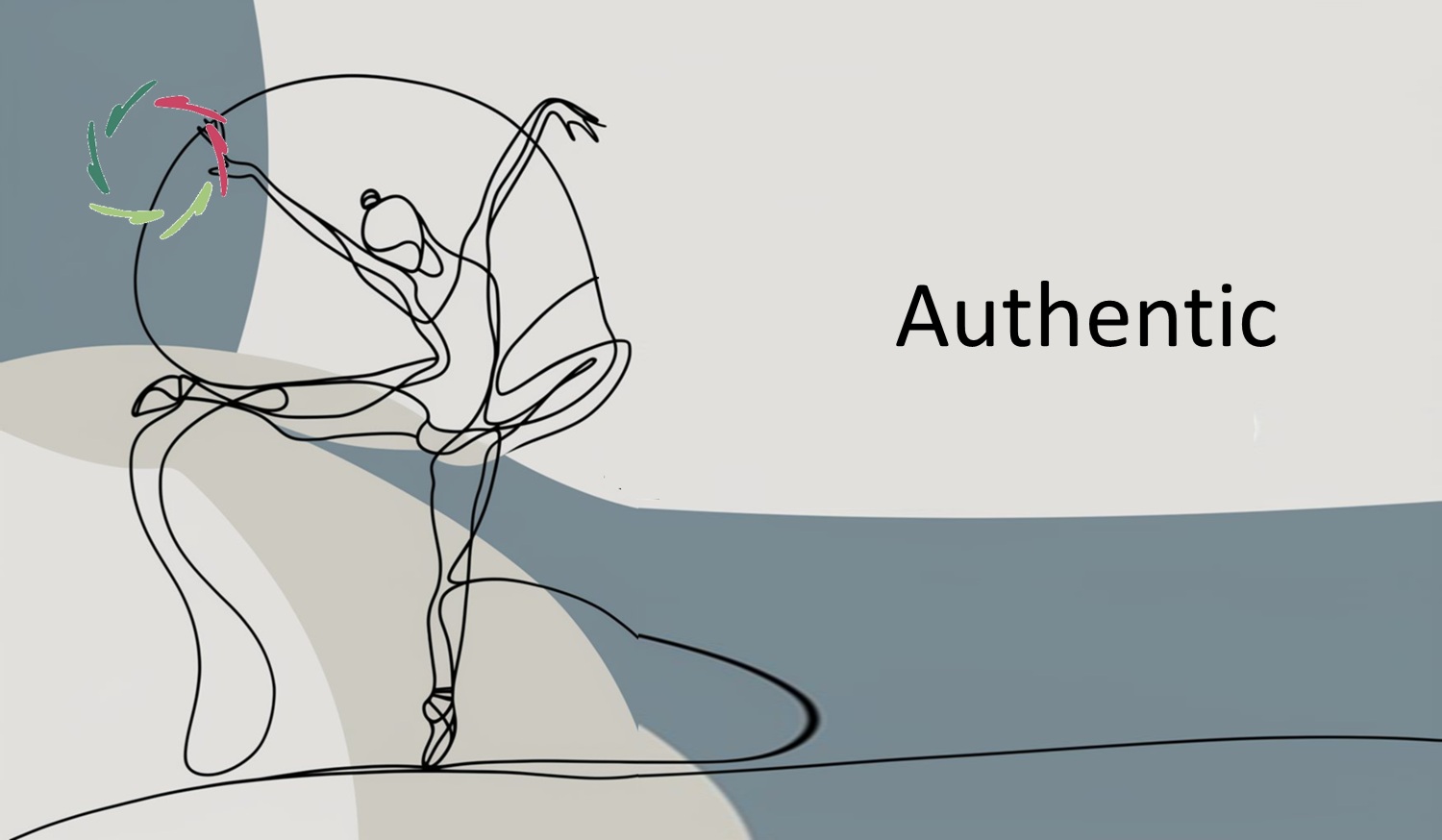
Authentic
Authentic is when you let go of the obvious — and go deeper, yet being yourself. This may feel like it leads a life of its own. You don’t have full conscious control. Yet it’s you — more than ever. Authentic is where art and leadership come from when they’re good. It’s where everything comes Read the full article…