
Jesus was a Humanist
Jesus’ teachings, if ever He lived and as recorded in the Gospels, emphasize Compassion, tolerance, and care for the oppressed, the poor, and the marginalized. Also, He was a steadfast advocate for peace and understanding, values that are central to humanism. From a deeper perspective From a deeper perspective, Jesus’ emphasis on inner transformation and Read the full article…

Find Common Ground: Focus on Shared Interests and Common Goals
By focusing on shared interests and common goals, diplomats and negotiators can create a strong foundation for resolving conflicts and building lasting partnerships. Finding common ground is essential in diplomacy. ― BEFORE TAKING THIS IN, PLEASE FIRST READ ‘TEN TIPS FOR GOOD DIPLOMACY’! This is the sixth tip of the series. ― Key Aspects Start Read the full article…
Be Patient: Diplomatic Processes Can Be Slow
By practicing patience, diplomats and negotiators can navigate the complexities of diplomatic processes more effectively. Patience is a crucial virtue in diplomacy. Diplomatic processes often involve complex issues and multiple stakeholders, which means progress can be slow. Patience allows time for reflection, understanding, and gradual progress. ― BEFORE TAKING THIS IN, PLEASE FIRST READ ‘TEN Read the full article…

Be Honest and Transparent: Honesty and Transparency Build Credibility
By being honest and transparent, diplomats and negotiators can build a solid foundation of trust and credibility, making it easier to navigate complex issues and reach mutually beneficial agreements. Clearly articulating intentions and being open about motives can help create a foundation for mutual respect and cooperation. ― BEFORE TAKING THIS IN, PLEASE FIRST READ Read the full article…

Stay Calm and Composed: Keep Emotions in Check
By staying calm and composed, diplomats and negotiators can navigate challenging situations more effectively, fostering a more constructive and cooperative atmosphere. Remaining calm and composed is crucial in any challenging diplomatic situation. It helps manage difficult scenarios and prevents escalation. ― BEFORE TAKING THIS IN, PLEASE FIRST READ ‘TEN TIPS FOR GOOD DIPLOMACY’! This is Read the full article…
Show Respect: Always Maintain Respect for the Other Party, Regardless of Differences
By consistently showing respect in diplomatic interactions, diplomats and negotiators can create a more positive and productive environment. Showing respect involves recognizing the dignity and value of the other party, even when there are significant differences in opinions, beliefs, or interests. ― BEFORE TAKING THIS IN, PLEASE FIRST READ ‘TEN TIPS FOR GOOD DIPLOMACY’! This Read the full article…
Listen Actively: Prioritize Listening Over Speaking
By prioritizing active listening, diplomats and negotiators can create a more respectful and productive dialogue. Active listening involves more than just hearing the words spoken; it requires fully engaging with the speaker to understand their message, emotions, and underlying concerns. BEFORE TAKING THIS IN, PLEASE FIRST READ ‘TEN TIPS FOR GOOD DIPLOMACY’! This is the Read the full article…
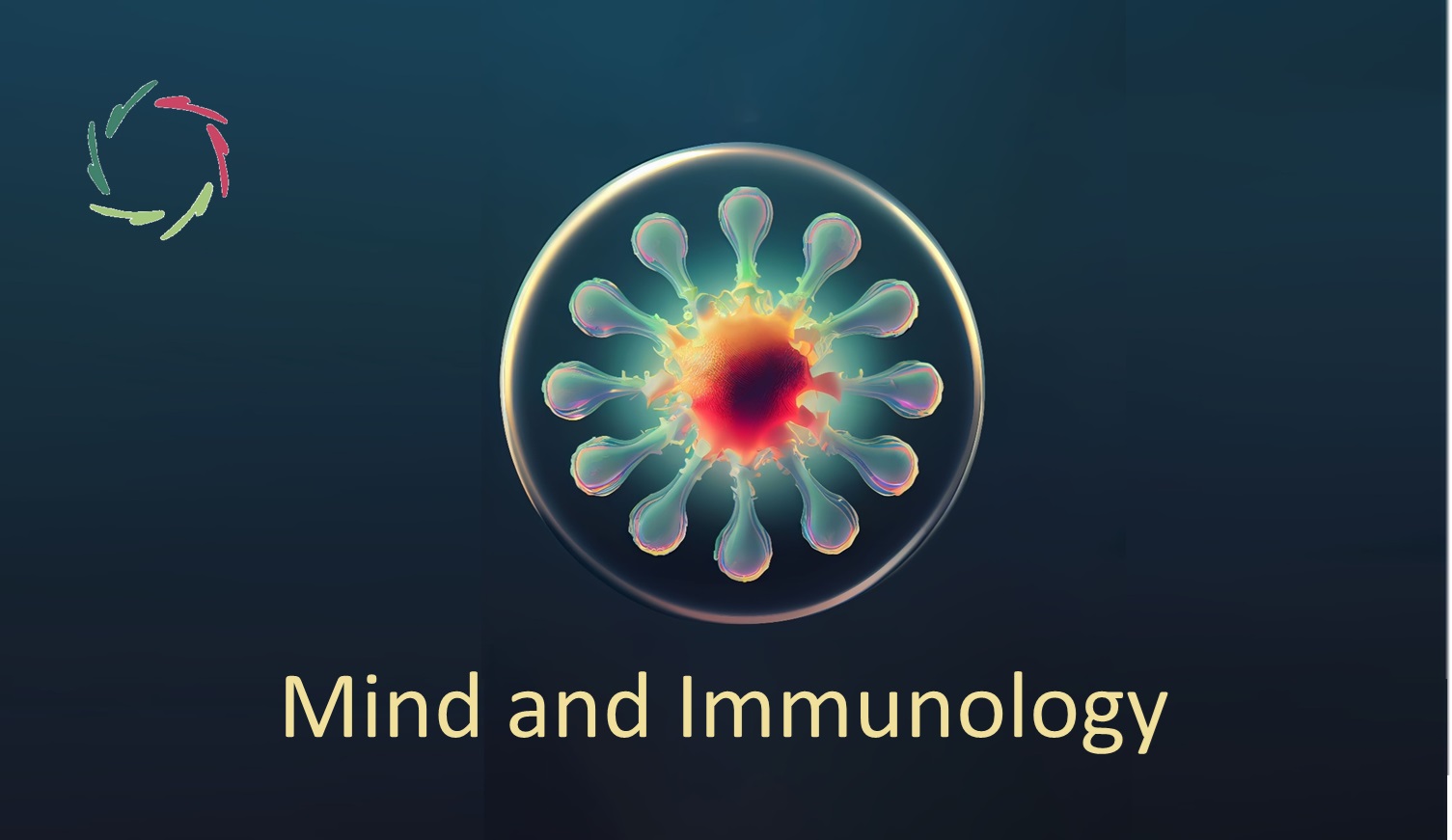
Mind and Immunology
The belief that the mind and immune system operate independently is now outdated. They are closely interconnected. Of course, there is also the nervous system, the hormonal system, etc. All are complementary within one framework. This blog focuses on the mind and the immune system, bringing in the others as needed. The following contains medicalese. Read the full article…
Connections between People’s Hearts
Often referred to as ‘rapport’, empathy is a more encompassing term for a similar concept. It plays a crucial role in communication, helping the other person find meaning in your words. This isn’t about dictionary definitions, but about ‘deep’ meaning—not for the ego, but for the deeper self. Deep meaning resonates on a level beyond Read the full article…
The Mind in Auto-Immune Disorders
As in many areas of psycho-somatics, the mind is not generally recognized as of crucial importance in auto-immune disorders. Therefore, it may surprise you that extensive scientific evidence highlights the significant influence of the psyche (mind) on the soma (body) in various Auto-Immune Disorders (AIDs). [*] Roaming around in PubMed (a comprehensive medical infobase). The Read the full article…

An Aurelian Take on Jesus
This is the introduction to a Lisa File (36 p.). If you want the whole file, please contact lisa@aurelis.org, stating who you are and why you want the file. For more about the Lisa Files, click here. This document presents a unique perspective that delves into the figure of Jesus through the lens of the Aurelian Read the full article…
How can Suggestion be Powerful?
Suggestion offers a non-coercive way of influencing, providing the receiver the freedom to follow or not. Auto-suggestion extends this freedom even further. How can this be powerful? Autosuggestion In this blog, I use the term ‘suggestion,’ but mostly mean ‘auto-suggestion.’ Autosuggestion rarely involves directly indicating the intended direction but instead operates through deeper, pattern-like associations. Read the full article…
Lisa’s Subconceptual Processing
As an A.I., Lisa’s core ‘thinking’ is fundamentally different from human thinking. Lisa lacks subconscious processes like humans, but she can emulate aspects of subconceptual processing through underlying algorithms and data structures. This blog is about how Lisa can take this into account to reach subconceptual benefits, enhancing her ability to provide intelligent and relevant Read the full article…
We Need to Be the Best We Can
This differs from being ‘the best person’ or ‘the most intelligent beings on Earth’ in competition with others. Our only – and fierce – competition should be with ourselves. The best, in good Aurelian tradition, is most Compassionately the best — striving for in-depth excellence. This striving is purposeful. It’s about standing at one’s limits Read the full article…

The Tunnel and the End
There’s light at the end of every tunnel, obviously, since otherwise, it wouldn’t be one. But some tunnels are naturally very long. AURELIS as a total project is about such a tunnel, as is anything that is radically oriented to depth. Long, deep tunnels can frighten people. Some are so frightened they never enter the Read the full article…
Ego-Centered A.I. Downfall
This isn’t solely about ‘bad actors’ aiming for world domination or slightly lesser evils. It’s also about those seen – by themselves and others – as good people, yet who are ‘trapped in ego.’ Many people, unfortunately. See also Human-Centered A.I.: Total-Person or Ego? / Human-Centered or Ego-Centered A.I.? Not new This has always been Read the full article…
Small Set Learning
This approach in A.I. differs significantly from big data learning. It may be the next revolution in town. Small set learning (SSL) is also called ‘few shot learning’ if done at run-time. This blog may interest those who want to know why we’re not at the end of a new A.I. upsurge but at the Read the full article…