Negative Emotions in Society
Negative emotions play a powerful role not only in individuals but also in society. They influence relationships, schools, workplaces, politics, justice, and even spiritual life.
When taken at face value, they can escalate conflict or silence deeper concerns. When understood as expressions of unmet meaning, they open the door to connection. This blog explores how negative emotions shape seven societal domains and how depth-awareness can transform them.
This is part of a tetralogy on negative emotions:
- Underneath Negative Emotions
- Coaching Negative Emotions
- Negative Emotions and Health
- Negative Emotions in Society
Understanding the wider field
Negative emotions do not remain confined within one person. They influence how people relate, collaborate, disagree, and understand one another. What begins as frustration, fear, or withdrawal can shape families, classrooms, workplaces, and even entire communities. In the earlier blogs, Underneath Negative Emotions and Coaching Negative Emotions, I explored how such emotions arise from deeper inner dynamics rather than superficial triggers. The same principle moves outward into society, where emotional meaning often becomes even more impactful.
Institutions and groups tend to address only the visible layer of emotion. They correct behavior, contain conflict, or encourage positivity without sensing the deeper need that gave rise to the emotional tension. Yet, as clarified in The Meaning of ‘Meaning’, emotions speak from an inner landscape where coherence, vulnerability, and orientation converge. When this layer is overlooked, the surface becomes more rigid and more easily misunderstood. Recognizing what lies underneath restores a sense of human closeness that is otherwise lost.
Why a broader view is needed
Across society, many difficulties grow not from ideology or policy but from misinterpreted emotional signals. A student’s disruption, a team’s resistance, a citizen’s anger, or a patient’s defensiveness often expresses a longing for meaning, belonging, respect, or safety. Without this understanding, responses become superficial and may even escalate the tension. In contrast, approaches that allow depth to unfold – such as the orientation described in Deep Listening – make room for a more humane and effective dialogue.
This attitude resonates with the orientation described in 12 Principles of Lisa-Coaching, where depth is invited rather than pushed, and where emotional meaning receives space to unfold naturally. What appears as opposition or negativity often becomes a starting point for understanding once its inner message is gently heard.
This blog does not aim to diagnose society but to illuminate a recurring pattern: negative emotions everywhere contain potential insight. From an AURELIS perspective, these emotions are not obstacles to remove but signals to meet with openness. They point toward meaning that has not yet found its voice. When we respond to them with depth instead of coercion, new possibilities arise in relationships, organizations, and public life. This echoes the orientation of Lisa Pragmatic Science, which approaches emotional phenomena with both rational clarity and inner sensitivity.
How to approach the seven domains
The examples below are grouped into seven societal domains: personal relationships, education, healthcare, organizational culture, political life, justice, and spirituality. Each domain contains a series of short situations that show the same movement: a surface phenomenon, a superficial reaction that risks worsening the tension, a deeper meaning that gives emotional shape, and a response that respects this depth. These examples are not formulas but invitations to look differently at situations we all encounter.
Together, the tables form a coherent map of how emotional depth operates across collective life. They reveal that beneath negative emotions lies an unmet need seeking acknowledgment. The movement from surface to depth is universal, even though its expressions vary. With this perspective, negative emotions no longer appear as problems to contain but as opportunities for human understanding.
Below are the seven domains.
Personal relationships
| Surface phenomenon | Superficial reaction (to be avoided) | Meaning in depth | Deep reaction |
| A partner becomes angry about something small | “You’re overreacting; calm down.” | A disappointed longing for felt connection: “I want to feel that what matters to me also matters to you.” | “It seems something important was touched. Can you help me understand what hurt underneath the anger?” |
| Withdrawal after a disagreement | “Don’t walk away when I’m talking to you.” | Protecting vulnerability: “I need safety before I can stay open.” | “I sense you needed distance. When you’re ready, I’m here to understand what felt overwhelming.” |
| Cold, detached responses during emotional conversations | “You’re so unemotional. Do you even care?” | Fear of emotional flooding: “If I feel too much, I might lose control.” | “It looks like staying in your head feels safer. What part of this touches something sensitive?” |
| Repetitive complaining | “Stop repeating yourself. We already discussed this.” | Searching for resonance: “I don’t feel you’re really with me yet.” | “It sounds like something is still hurting. Which part of this hasn’t been fully received by me?” |
| Jealousy or suspicion | “You’re being ridiculous.” | Longing for reassurance: “Please show me I still matter to you.” | “It seems something felt uncertain or threatening. What reassurance are you longing for right now?” |
| Irritation masking sadness | “Why are you so negative again?” | Sadness that feels too vulnerable to show directly | “I hear the irritation, but I sense something softer underneath. If you wish, we can explore that gently.” |
Unifying principle
Negative emotions in relationships almost always express disappointed connection. What appears as anger, withdrawal, coldness, jealousy, or irritation often hides a longing to feel safe, seen, or meaningfully close. When the surface behavior is taken literally, people move farther apart; when the deeper intention is met with openness, relationships rediscover coherence. Through the lens of depth, even conflict becomes a doorway to mutual understanding instead of a barrier.
Education
| Surface phenomenon | Superficial reaction (to be avoided) | Meaning in depth | Deep reaction |
| A student refuses to start an assignment (“This is stupid.”) | “Stop complaining and just do it.” | Fear of failure or longing for autonomy: “I don’t want to disappoint you or myself; I want a say in how I learn.” | “It seems this task isn’t connecting with you yet. What makes it hard to begin?” |
| A quiet student suddenly disrupts the class | “Sit down and behave. This is unacceptable.” | A call for recognition or emotional overflow: “Please see me — something inside needs attention.” | “I notice you’ve got a lot of energy right now. Can you tell me what’s happening for you?” |
| A student reacts defensively to correction | “You’re too sensitive. Take feedback normally.” | Fear of inadequacy: “I’m afraid this means I’m not good enough.” | “It looks like this feedback felt heavier than intended. What part of it touched something sensitive?” |
| Chronic indifference or disengagement | “You need to try harder. This attitude won’t get you anywhere.” | Exhaustion, discouragement, or quiet despair: “Nothing I do feels meaningful anymore.” | “I’ve noticed it’s been difficult to engage. What feels heavy when you think about participating?” |
| Aggressive refusal of group work | “Stop making a fuss and cooperate like everyone else.” | Fear of judgment or exclusion: “I don’t want others to see the parts of me I feel insecure about.” | “Something in group work feels unsafe. Can we explore what part seems difficult?” |
| A teen openly challenges the teacher’s authority | “How dare you speak to me like that? Detention.” | A need for autonomy and respect: “Please see me as someone with inner direction, not just someone to control.” | “It sounds like something in this class doesn’t sit well with you. What do you feel is missing or not fitting?” |
Unifying principle
Negative emotions in students rarely reflect disinterest or defiance; they more often express a longing for meaning, autonomy, competence, and emotional safety. When educators respond at the surface level, resistance grows. But when they listen for the deeper intention – the unfulfilled motivation beneath the behavior – learning becomes an inner process rather than an imposed task. In this way, education transforms into a space where growth arises naturally from connection, understanding, and trust.
Healthcare & mental health
| Surface phenomenon | Superficial reaction (to be avoided) | Meaning in depth | Deep reaction |
| Patient repeatedly reports pain with normal tests | “There’s nothing wrong. It’s probably stress.” | The body may be expressing unresolved emotional tension; pain becomes a protector of vulnerability. | “Your pain is real. Sometimes the body speaks when a deeper part hasn’t found words yet. Shall we explore this gently?” |
| Patient becomes defensive when psychosomatics is mentioned | “No one said you’re crazy. Stop overreacting.” | Fear of being dismissed; longing for validation. “If it’s psychological, maybe my suffering doesn’t count.” | “I never doubt the reality of your symptoms. Sometimes body and depth communicate together. What feels threatened when we mention this?” |
| Patient avoids emotional topics | “You must face your feelings. Avoidance won’t help.” | Emotional overload; the deeper self feels too fragile to open. | “It makes sense this feels heavy. We can go at your pace and stay where it feels safe.” |
| Patient insists on another diagnostic test | “You don’t need more tests. Stop insisting.” | The test symbolizes reassurance: “If we find nothing, I’m alone with my suffering.” | “It seems not having an explanation feels frightening. What reassurance are you seeking underneath the request?” |
| Patient stops following treatment advice | “You’re being noncompliant.” | Shame, inner conflict, or need for autonomy. “I don’t want to be reduced to instructions.” | “Something in the plan doesn’t fit well for you. Can we explore what part feels difficult or misaligned?” |
| Patient brings long symptom lists, anxious and overwhelmed | “You’re overthinking. Most of this is harmless.” | The list is an attempt to control internal chaos: “I’m scared and need orientation.” | “I see how carefully you’re tracking things. This tells me the situation feels important and perhaps frightening. Let’s look together at what these patterns may mean.” |
| Client expresses harsh self-criticism | “Don’t say that. You’re doing fine.” | A self-protective strategy against deeper hurt: “If I judge myself first, others can’t hurt me more.” | “It sounds like a part of you tries to keep you safe by being strict. What might this part be protecting?” |
Unifying principle
Negative emotions in medical or therapeutic settings often function as guardians of deeper meaning. They protect the person when inner tension has no safe channel. When dismissed, trivialized, or framed as irrational, these emotions become more entrenched. But when met with openness, validation, and gentle curiosity, they can reveal the inner landscape that seeks coherence and healing. Healthcare becomes profoundly more effective when symptoms and emotions are understood not as problems to eliminate, but as meaningful expressions of the total person.
Management & organizational culture
| Surface phenomenon | Superficial reaction (to be avoided) | Meaning in depth | Deep reaction |
| Employee repeatedly questions a new policy | “You’re being negative. Just follow the plan.” | Loyalty seeking a voice: “I care about this place. Something meaningful feels threatened.” | “It sounds like you see risks we might be missing. Can you share what feels endangered?” |
| Once-engaged employee becomes withdrawn after restructuring | “You need to show more motivation.” | Silent grief or disorientation: “I lost the part of my work that grounded me.” | “I sense this transition has been heavy. What meaningful part of your role may have been disrupted?” |
| Aggressive reaction to feedback | “Stop overreacting. Take feedback professionally.” | Protection of fragile competence: “I’m afraid this means I’m failing.” | “It seems this feedback touched something sensitive. What part felt threatening?” |
| Passive resistance to new guidelines | “You’re not taking responsibility. Fix this.” | Incoherence or value-conflict: “This contradicts what makes my work meaningful.” | “Something in these guidelines seems misaligned. What part feels unclear or difficult for you?” |
| Cynicism spreading through the team | “Stop being cynical. You’re hurting morale.” | Disappointed caring: “I once believed in this, but my hope was not met.” | “I hear resignation. What hopes or values felt betrayed along the way?” |
| High performer pushing toward exhaustion | “Great dedication! Keep it up.” | Fear of losing belonging or identity: “If I slow down, I might lose my place.” | “Your commitment is valuable, but I also see strain. What inside you feels pressured to carry so much?” |
| Recurring conflict between colleagues | “Be professional. Stop fighting.” | Values collision: “I’m protecting something important, and I don’t feel understood.” | “It seems both of you are defending something meaningful. What deeper value are you each protecting?” |
Unifying principle
In organizational life, negative emotions frequently express blocked meaning rather than lack of professionalism. What leaders interpret as resistance, withdrawal, cynicism, or conflict often signals a deeper longing for coherence, recognition, safety, or values alignment. When management reacts only at the behavioral level, tension increases and engagement erodes. But when leaders listen for the emotional meaning beneath the surface, working relationships transform. Teams regain trust, creativity grows, and the organization becomes a place where people bring not just their skills, but their deeper selves.
Political & societal polarization
| Surface phenomenon | Superficial reaction (to be avoided) | Meaning in depth | Deep reaction |
| Intense anger toward a political group (“They are destroying everything!”) | “You’re being irrational and hateful.” | Fear of losing stability, identity, or dignity: “My world feels threatened; I don’t feel safe.” | “I hear how strongly you feel. What part of your life or values seems endangered right now?” |
| Rigid ideological certainty (“I will never change my mind.”) | “You’re close-minded.” | Protecting fragile coherence: “If I allow doubt, my inner stability may collapse.” | “It sounds like this view gives you something important. What inner need does it support for you?” |
| Hostile online behavior (insults, contempt) | “You’re toxic. I’m blocking you.” | A cry for recognition: “I feel unseen and powerless — I shout so I won’t disappear.” | “These words carry a lot of intensity. What deeper concern or hurt sits behind them?” |
| Extreme reactions to immigration, climate, or economic issues | “You’re xenophobic / paranoid / irrational.” | Existential anxiety: “I fear losing my place, my future, or my dignity.” | “These issues touch deep fears for many. For you, what part of life feels most threatened?” |
| Withdrawal from democratic participation (“Nothing matters anymore.”) | “You’re irresponsible. Democracy needs you.” | Quiet despair: “My voice once mattered, but no one listened.” | “It seems you were disappointed deeply. What experience made participation feel pointless?” |
| Family arguments escalate quickly | “Stop talking politics if you can’t behave.” | Desire for respect and belonging: “Our bond feels fragile; please value me even if we disagree.” | “This topic seems very personal for you. What value or fear is underneath the intensity?” |
| Polarized groups refuse dialogue | “They just hate each other. Nothing to be done.” | Need for identity preservation: “If we listen to them, we may lose who we are.” | “What shared fears or hopes might exist beneath these opposing positions?” |
Unifying principle
Political anger, rigidity, and hostility rarely arise from ideology alone. They emerge when deep human needs – belonging, safety, dignity, identity – feel endangered. Surface-level reactions intensify polarization by dismissing the emotional vulnerability behind the stance. But when we listen for the deeper motivations within political emotions, we rediscover shared humanity beneath opposing arguments. Dialogue becomes possible again, and conflict shifts from a battle of positions to an encounter of deeper hopes.
Justice & conflict resolution
| Surface phenomenon | Superficial reaction (to be avoided) | Meaning in depth | Deep reaction |
| Aggressive refusal during mediation (“I won’t apologize!”) | “Calm down. This is unacceptable.” | Protecting dignity: “If I yield, I might be humiliated or overpowered.” | “It seems apologizing feels risky. What part of this situation feels threatened for you?” |
| Refusal to engage in restorative dialogue | “Stop being uncooperative.” | Need for emotional safety: “Facing this brings up pain I’m not ready for.” | “It makes sense you’re protecting yourself. What would need to feel safer before engaging?” |
| Escalating conflict between community members | “You two need to compromise.” | Values collision: “I’m defending something precious, and I don’t feel understood.” | “It sounds like each of you is protecting an important value. Can we explore these before talking solutions?” |
| Violent outburst after an incident (shouting, breaking objects) | “You have anger issues. Control yourself.” | Emotional overwhelm: “I’m lost inside, and this is my last form of expression.” | “I can see how overwhelmed you felt. What pain or fear became too much in that moment?” |
| Victim expresses intense bitterness (“I hope they suffer forever”) | “You need to forgive and move on.” | Anger as protection: “If I let go of this anger, I’ll have to face unbearable grief.” | “It seems the hurt is still enormous, and anger helps you hold yourself together. What part feels the most unacknowledged?” |
| Perpetrator denies wrongdoing despite evidence | “Stop lying. Take responsibility.” | Shame avoidance: “If I admit it, I become unworthy of belonging.” | “It sounds painful to consider your role. What feels frightening when you imagine acknowledging it?” |
| Judge or authority figure becomes rigid and cold | “You’re being heartless.” | Emotional overload: “If I feel too much, I won’t be able to function.” | “This work carries heavy emotional weight. How do you care for the part of you that must stay strong so often?” |
Unifying principle
In justice contexts, negative emotions often arise as protective responses to threatened dignity, identity, or emotional survival. Aggression may hide fear, denial may hide shame, and bitterness may guard deep hurt. When responses focus only on behavior – forcing apologies, demanding calm, insisting on compliance – the deeper emotional truth remains unseen. But when we listen beneath the surface, conflict transforms. People regain dignity, responsibility becomes possible, and reconciliation grows from understanding rather than coercion.
Spirituality & meaning-making
| Surface phenomenon | Superficial reaction (to be avoided) | Meaning in depth | Deep reaction |
| Feeling empty despite outward success | “Be grateful. You have everything.” | Longing for inner coherence: “My outer life grew, but my inner life didn’t follow.” | “That emptiness may be a message from a deeper layer. What might it be longing for?” |
| Irritation when encountering silence or stillness | “You just need to relax or meditate more.” | Fear of meeting inner vulnerability: “Silence brings me too close to something I’m not ready to face.” | “It seems stillness touches something sensitive. What feels difficult when things get quiet?” |
| Rejecting all existential questions (“Don’t ask me about meaning”) | “Everyone needs spirituality. You’re avoiding it.” | Past disappointment or hurt around depth: “When I opened that door once, it hurt too much.” | “It makes sense this topic feels off-limits. What experience made depth feel unsafe?” |
| Sudden existential anxiety (“I don’t know who I am anymore”) | “Stop overthinking and focus on real life.” | Transition between inner patterns: “A part of me is ending, and a new one hasn’t formed yet.” | “This shift seems important. What feels like it is dissolving — and what feels like it wants to emerge?” |
| Guilt about not being ‘spiritual enough’ | “You need more discipline. Try harder.” | Longing for connection combined with fear of inadequacy: “I want depth, but I’m afraid I’m unworthy.” | “It sounds like you long for meaning, not perfection. What part of you wishes for a gentler approach?” |
| Deep sadness triggered by beauty | “You’re too sensitive. Just enjoy it.” | Beauty awakens forgotten longing: “Something in me remembers a deeper home and misses it.” | “This beauty clearly touches you. What does the sadness seem to want to reconnect with?” |
| Feeling stuck in a spiritual ‘desert’ | “Keep pushing through; it will come back.” | Outgrowing an earlier spiritual pattern: “The old way no longer fits; something new is forming.” | “Maybe this dryness is a transition. What quiet direction feels faintly alive underneath it?” |
| Idealizing a spiritual teacher or doctrine | “Don’t be naïve. No one has all the answers.” | Search for guidance and containment: “I long for orientation because I feel inner chaos.” | “It seems this teacher gives you a sense of safety. What inside you feels held by them?” |
Unifying principle
In the spiritual domain, negative emotions often emerge when an inner movement toward depth meets fear, vulnerability, or an outdated self-structure. Emptiness, restlessness, existential anxiety, or longing are not signs of failure but invitations to growth. When handled superficially – through pressure, denial, or spiritualized performance – these emotions become blocked. But when met with gentle openness, they reveal the evolving shape of the person’s inner landscape. Meaning then becomes not something to achieve, but something that unfolds.
Seeing the pattern across society
When these seven domains are viewed side by side, something striking appears. The emotions differ, the contexts differ, yet the deeper movement remains constant. Negative emotions emerge when a person or group feels their meaning is not sufficiently met. The surface expression may be anger, discouragement, rigidity, despair, or retreat, but the underlying message is often a longing for coherence, recognition, belonging, or inner safety. This reflects what was explored in Are Emotions Motivations?, where emotions themselves arise from meaning-laden tensions.
Society tends to treat negative emotions as disruptions that must be corrected, suppressed, or neutralized. But such responses address only the outer shape of the emotion. They do not address the deeper concern that gave rise to the emotion. As discussed in The Brain as a Predictor, much of human behavior is an attempt – often subconscious – to restore a sense of orientation. When that attempt is misunderstood, emotional patterns harden and become more resistant.
A depth-oriented view changes how situations unfold. Instead of fighting surface expressions, we begin to understand them. Instead of escalating conflicts by counteracting emotions, we create room for the inner message to appear. This does not mean indulging every feeling, but acknowledging the human movement behind it. When meaning is seen, tension softens. When recognition is offered, the pressure decreases. When depth is respected, transformation becomes possible without coercion.
Implications for collective life
This perspective has broad consequences. In education, it shifts the focus from discipline to meaningful engagement. In healthcare, it brings nuance to the connection between symptoms and inner experience. In organizational life, it helps leaders understand that resistance often signals blocked meaning rather than defiance. In politics and justice, it reveals the vulnerability behind hard positions. Even in spirituality, it reframes emptiness or restlessness as invitations rather than failures.
These are not abstract ideas. They influence how people speak to one another, how institutions function, and how societies evolve. Greater understanding of emotional depth can reduce polarization, improve cooperation, and support healthier communities. It can also help individuals feel more at home within themselves, as they recognize their emotions not as problems but as meaningful signals.
A movement toward deeper culture
A culture able to recognize depth becomes a culture capable of Compassion. It becomes less reactive, less punitive, and more oriented toward genuine solutions. The examples in this blog are small windows into what such a culture might look like. They are not formulas but invitations — suggestions for how emotion can be met with openness rather than force, and how meaning can be allowed to emerge naturally rather than be imposed.
Negative emotions, viewed from depth, reveal a tremendous amount about what people value and what they fear losing. When individuals and institutions learn to listen more subtly, they support not only better outcomes but better lives. This shift is gentle yet far-reaching. It starts in single moments of recognition and eventually reshapes the way groups and societies respond to tension.
Moving forward
The next step is not to adopt a method, but to cultivate a stance: one of openness, respect, and curiosity toward the layers that lie beneath visible behavior. This is part of a long-term movement toward a more humane understanding of ourselves and one another. Where depth is welcomed, negative emotions become pathways rather than obstacles. From there, genuine transformation can begin.
Related Posts
Feeling without Feelings
I am feeling. I am ‘without feelings.’ The science It may not seem so but this is actually the most scientifically sound way to look at feelings/emotions, backed by many studies, contradicted by none. One good book about this is “How Emotions Are Made: The Secret Life of the Brain” by Lisa Feldman Barrett (2017). Read the full article…

The Religious Feeling
This is a personal blog. It is about my religious feeling (RF), but may very well also be yours. RF is not a belief A belief is something you can point at: a or b or c. RF is different — it’s not about the content, but the presence behind it. Belief doesn’t feel. RF Read the full article…
Artificial Emotions
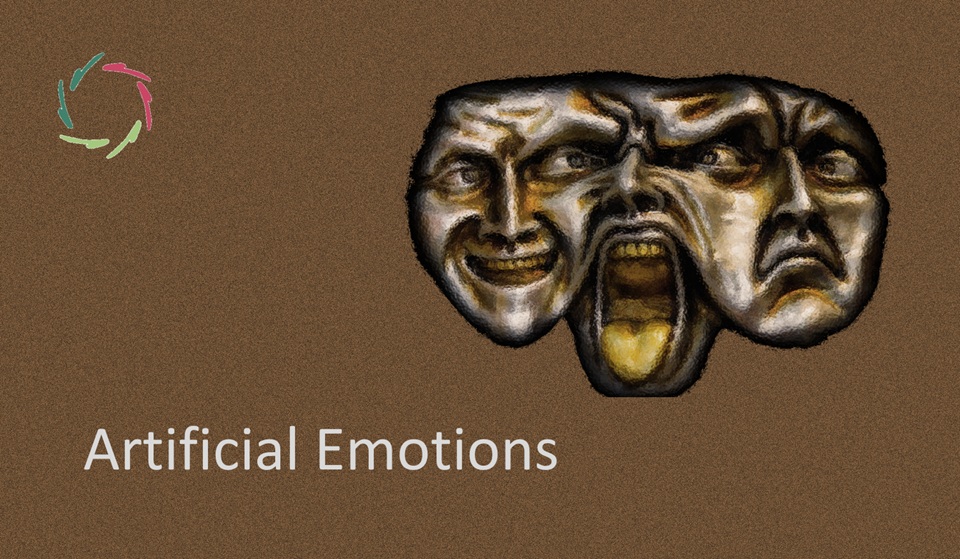
The title may make many readers think of robots pretending to smile or chatbots producing carefully worded expressions of sympathy. Yet before asking whether A.I. can have emotions, we may need to ask whether we have fully understood our own. Recent developments in neuroscience increasingly show emotions as dynamic processes emerging from the ongoing interaction Read the full article…