Mental Vulnerability and Health
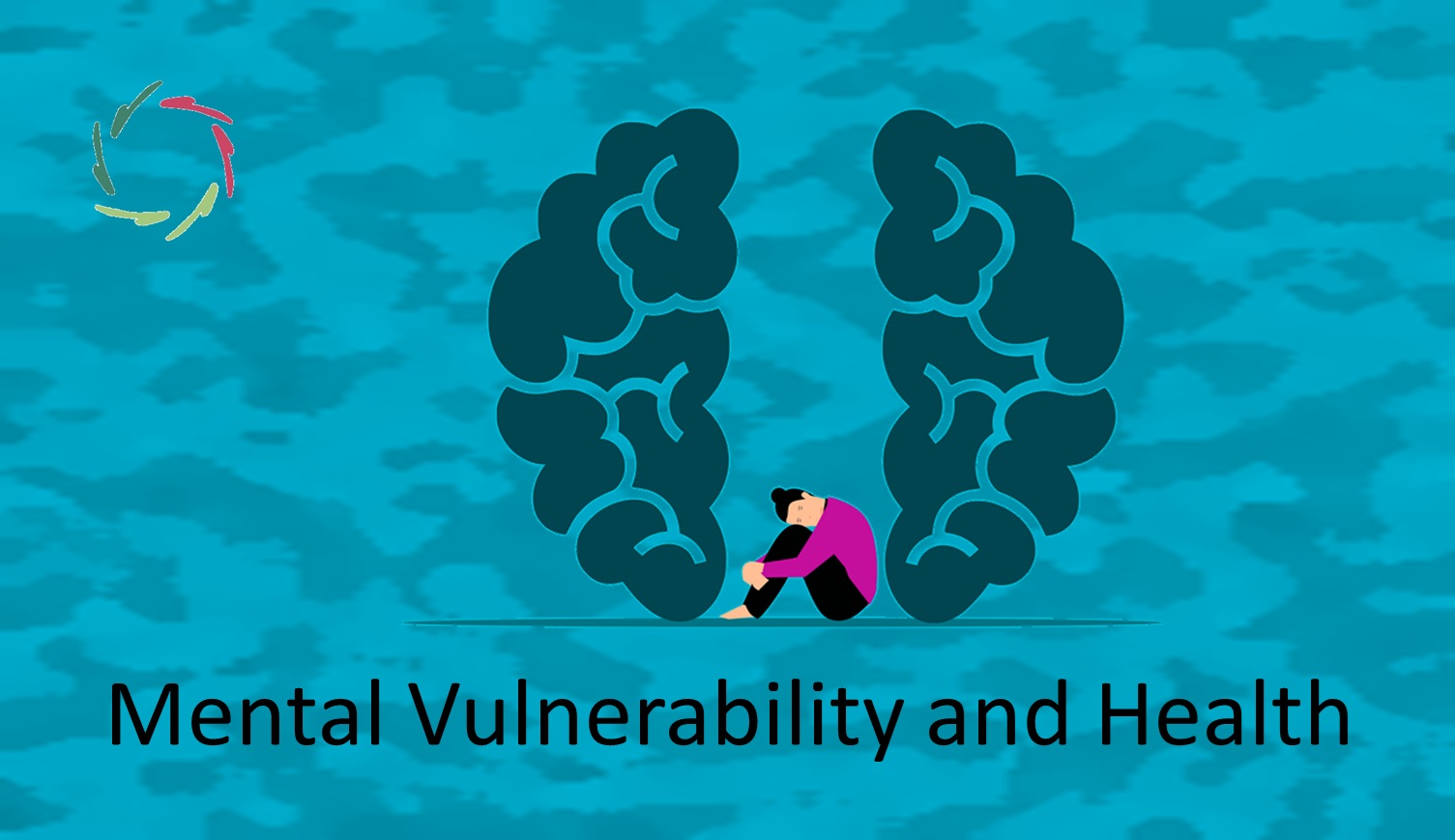
Vulnerability often feels like an exposed weakness, a crack in the foundation that invites harm. But what if we flipped that perspective? Vulnerability can also be a powerful gateway to inner growth and resilience. It shapes how we navigate challenges, influences our mental health, and plays a vital role in overall well-being.
This blog explores how vulnerability, when embraced with awareness and Compassion, becomes a strength rather than a weakness. By understanding health as a dynamic balance and learning to navigate life’s grey areas, we can transform challenges into opportunities for growth.
Flexibility and robustness
Health isn’t a static state; it’s an ongoing dance between flexibility and robustness. Flexibility allows us to adapt to changes, like a tree bending in the wind without breaking. Robustness, on the other hand, keeps us grounded, helping us retain our core even in times of stress. Together, they form a dynamic balance that is essential for mental and physical well-being.
True health often lies in the nuanced ‘grey areas’ where vulnerability and strength coexist. These grey areas allow us to embrace ambiguity and complexity, moving beyond rigid thinking. As highlighted in the AURELIS blog “Antifragility,” resilience doesn’t simply mean enduring challenges — it means growing stronger because of them.
The hidden roots of stress
Not all threats are obvious. Subconceptual threats – deeply rooted fears or symbolic challenges – often operate below conscious awareness. They can manifest as chronic stress or even physical symptoms, disrupting the delicate balance of health.
These threats speak a language of symbolism, often requiring tools like autosuggestion or metaphorical exploration to uncover. The AURELIS blog “Your Symptom as ‘The Total You’” discusses how symptoms can serve as doorways to deeper self-understanding. When we listen to these messages, we not only address the symptoms but also foster holistic growth.
Two faces of imbalance
Chronic stress disrupts health by pushing the body into two opposing imbalances: overshoot and undershoot. Overshoot illnesses, such as autoimmune diseases, result from an overactive defense mechanism. Undershoot illnesses, like cancer or chronic infections, stem from a depleted system unable to mount adequate defenses.
This cycle often perpetuates itself: chronic stress triggers overshoot, depleting the system, which then leads to undershoot. To break free, we must learn to navigate stress without letting it dominate. The blog “Inflammatory Stress” offers insights into how stress becomes pathogenic and what can be done to manage its effects.
Acute stress: the tipping point
When acute stress strikes an already imbalanced system, it can act as a final blow. For someone in an overshoot state, acute stress might trigger a hyper-inflammatory reaction, such as a cytokine storm. For someone in an undershoot state, it might lead to complete immune collapse.
This highlights the importance of building resilience before crises arise. Preventing acute stress from tipping the scales requires a foundation of inner strength and balance.
Healing as a journey, not a destination
Healing is often seen as a goal, a return to health. But the process itself is just as important – if not more so – than the outcome. Recovery becomes a transformative journey, shaping not only how we heal but also how we grow.
Symptoms, when viewed holistically, act as guides. They are reflections of the ‘total self,’ inviting us to address underlying imbalances. Engaging with symptoms Compassionately, as described in “Your Symptom as ‘The Total You’”, creates opportunities for alignment and integration.
From vulnerability to Inner Strength
Vulnerability isn’t a weakness to be eradicated; it’s a doorway to inner strength. When we engage with our vulnerabilities constructively, they foster growth, empathy, and deeper connections.
This transformation hinges on Compassion — both for ourselves and others. As the glue that binds flexibility and robustness, Compassion helps us navigate life’s challenges with openness and stability. Even small acts of self-Compassion create ripples that reinforce resilience over time.
Practical strategies for mental health and vulnerability
- Engage with subconceptual layers: Use tools like autosuggestion to explore the symbolic roots of stress and align subconscious patterns with conscious intent.
- Cultivate anti-fragility: View challenges as opportunities for growth. Seek out constructive challenges and create environments that foster adaptability and resilience.
- Reframe stress into eustress: Shift the narrative around stress from something to avoid into something that fuels growth and action.
Mental health thrives in a continuous dynamic balance where flexibility and robustness coexist.
Vulnerability, far from being a flaw, becomes a strength when approached with awareness, Compassion, and curiosity.
By integrating the principles of dynamic balance and anti-fragility, and by embracing the grey areas of life, we can transform stress and vulnerability into pathways for profound growth. Health isn’t just a destination; it’s a journey shaped by how we engage with life’s challenges.
Related Posts
The Cost of Medicine — and What AureLisa can Do about it
The enormous and heightening ‘cost of medicine’ doesn’t mean that medicine is the guilty cause. It’s part of the broader culture at the world level. Medicine flows along unknowingly ― or unwillingly to know? Anyway, the situation is dire. This is also a communication to relevant decision-makers. Mostly about psycho-somatic healthcare Nowadays, people go to Read the full article…
71. The eye of the needle
Experimental scientists want to ‘prove’ the effect of acupuncture by using their experimental scientists’ schemes. What has come out of the experimentation with acupuncture is that it works… sometimes. ◊◊◊ Even so, if one doesn’t care exactly what works, then the case seems to be in favor of the needlers… sometimes. However, if one goes Read the full article…
50. Placebo: I will please… whom?
Let’s journey a bit on the well-known placebo-effect: getting better from medication until you discover it’s a sugar pill or otherwise doesn’t work in itself. You have probably heard of it. But do you think it’s far from you sickbed? Think again! There’s no medication coming on the market unless it’s been scientifically compared to Read the full article…