The Hidden Depth of Emotions
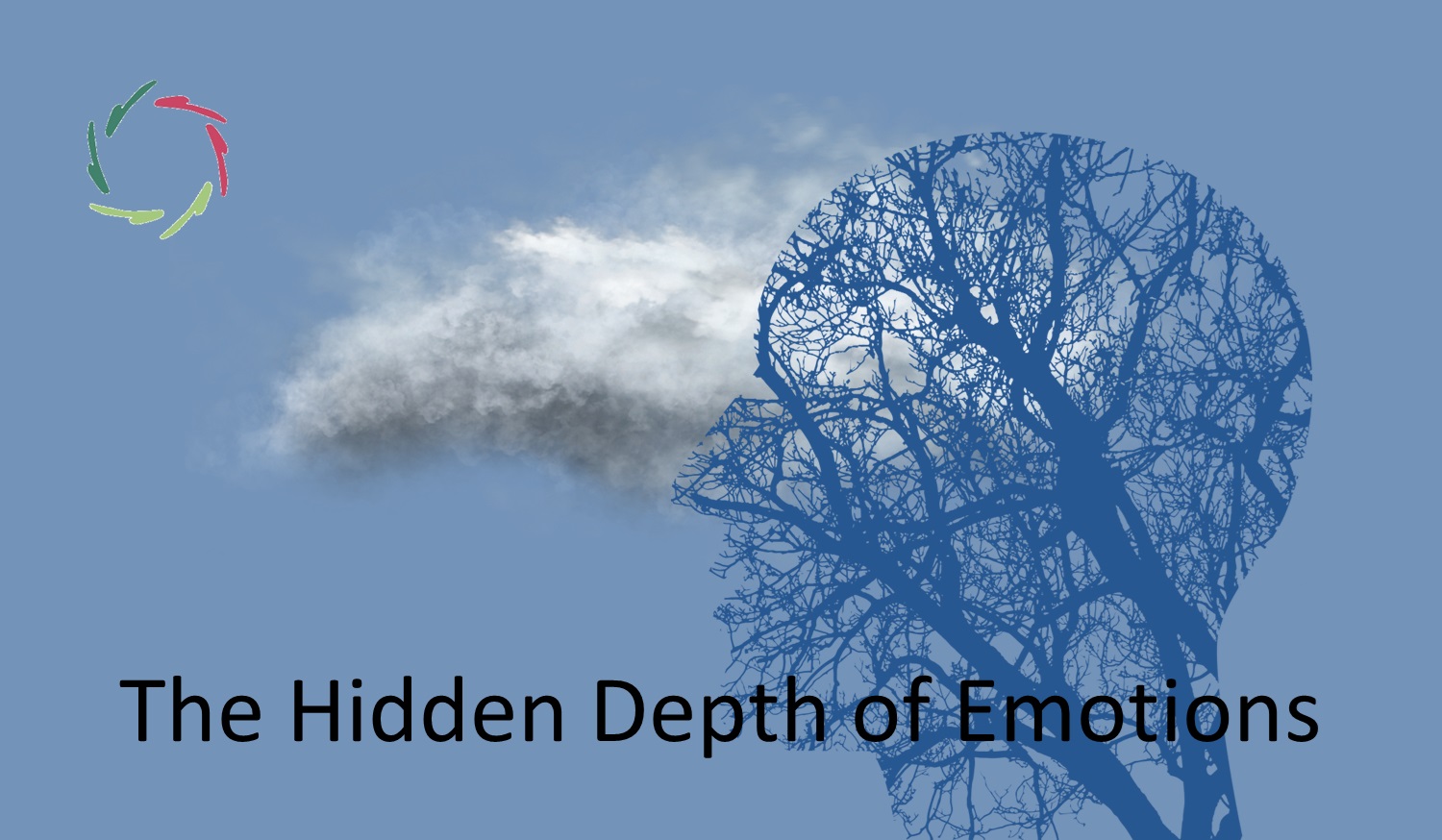
Emotions are not just spontaneous reactions; they are deeply intertwined with the complex interplay of conscious and subconscious processes. This complexity reveals that emotions are a profound expression of our entire being, reflecting our lifelong inner narrative.
Otherwise put: ‘spontaneous’ is not ‘automatic.’ People are not simple conceptual robots; our emotions arise ‘spontaneously’ from the intricate workings of our mental processes.
Emotions often feel like immediate, raw responses to our experiences.
We smile when we’re happy, cry when we’re sad, and sometimes, we get angry or anxious without fully understanding why. This seems uncomplicated, and, well, that’s what the emotional experiences themselves are.
Yet, beneath the surface, emotions are far more complex than they appear on the surface.
An Aurelian perspective
Emotions can be seen as a dance between what we consciously perceive and the vast, often mysterious workings of our non-conscious mind. This interplay supports the notion that our mental landscape is crafted not only by the rational, visible parts of our thoughts but also by the deeper, less conscious processes that subtly influence our emotions, behaviors, and even physical health.
While in the act of feeling, this is not important. However, to understand who we are, it’s crucially consequential ― whether we like it or not.
Lisa Feldman Barrett
One of the key insights from Prof. Dr. Lisa Feldman Barrett‘s work is that emotions are not hardwired or universally consistent. Instead, they are each time again constructed by our brains, using a combination of sensory input, past experiences, and cultural context.
This construction process is heavily reliant on subconceptual processing — the interplay of many mental-neuronal patterns that essentially operate below the level of conscious awareness. These patterns are shaped by a lifetime of experiences, heavily influencing how we interpret and respond to the world around us at each moment.
Emotions are meaning-makers.
Emotions are thus deeply connected to the intricate dance between our conscious mind and the vast, rich world of our human depth. In this light, emotions are not just fleeting states but are part of a larger, ongoing process of meaning-making. They are signals from our non-conscious mind, reflecting not only our surface-level reactions but also our deeper needs, desires, and inner conflicts. Recognizing these signals can help us engage in a more Compassionate dialogue with ourselves, addressing the root of our emotional experiences rather than just the symptoms.
This understanding also opens the door to using tools like autosuggestion, which can help us engage with these deeper layers of our mind, gently guiding our emotions toward inner growth, well-being, and healing from the inside out.
Autosuggestion, as embraced by AURELIS
This allows us to communicate with the deeper parts of our mind in a way that promotes harmony between our conscious and non-conscious selves. By consciously guiding our thoughts and intentions through autosuggestion, we can influence the emotional patterns that shape our experiences. This conscious direction allows us to be active participants in our emotional lives, fostering a sense of empowerment and inner harmony. When well-supported and ethically grounded, this approach can lead to more balanced and meaningful emotional lives.
AURELIS, as you may know, provides many resources that can help you engage with the deeper layers of your mind, guiding your emotional experiences toward inner growth and lasting well-being.
Lisa (the A.I.) can be an invaluable aid to many in this journey.
As a Compassionate A.I., Lisa holds the potential to guide individuals toward greater emotional awareness and inner peace, fostering a deeper connection to themselves. The value of insightful and self-aligned exploration in emotional health could be one of the greatest gifts Compassionate A.I. offers humanity.
This gift is not just about emotional management but about nurturing the whole person, promoting a more integrated and fulfilling life experience.
Thanks!
Related Posts
An A.I.-Equivalent of Feeling?
What if A.I. could grow something like feelings — not by mimicking humans, but through meaningful presence? This blog explores how artificial intelligence, grounded in Compassion, can develop a genuine equivalent to human emotion. Not imitation, but resonance. Not reaction, but receptivity. And not control — but a new kind of presence. Opening the question Read the full article…
Nirvana, What about Feelings?
Nirvana, Buddhist ‘heaven’ where the candle has stopped burning. What about feelings? What can this teach us about feelings in general? This is symbolism. It’s not about what might happen in another, magical world. It’s also not about what might happen in this world with just a few minor changes. Symbolism readily touches the heart Read the full article…
Stay Calm and Composed: Keep Emotions in Check
By staying calm and composed, diplomats and negotiators can navigate challenging situations more effectively, fostering a more constructive and cooperative atmosphere. Remaining calm and composed is crucial in any challenging diplomatic situation. It helps manage difficult scenarios and prevents escalation. ― BEFORE TAKING THIS IN, PLEASE FIRST READ ‘TEN TIPS FOR GOOD DIPLOMACY’! This is Read the full article…