Good Coaching is Naturally Flexible
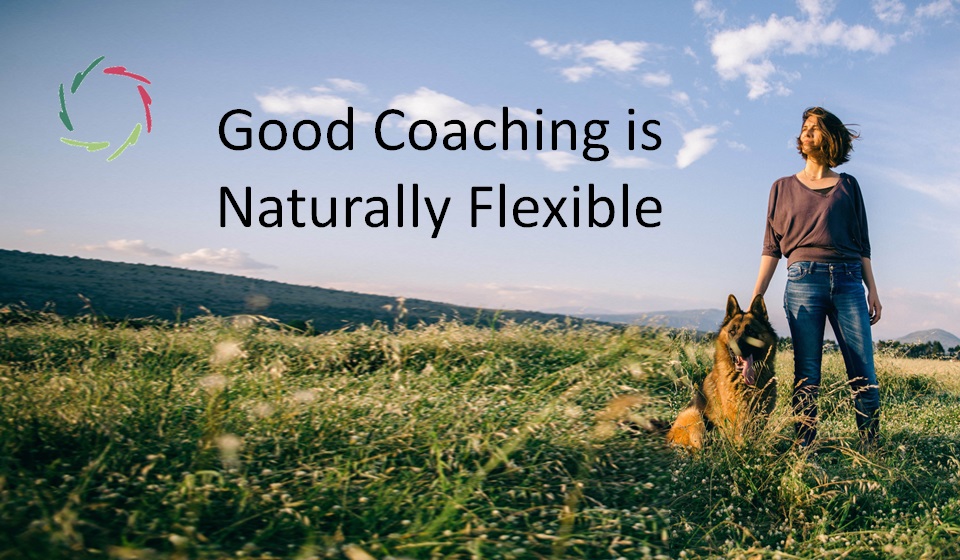
A good coach is flexible, adjusting naturally from the inside out, presenting himself authentically across various situations. He adjusts himself dynamically yet is always consistently true to his core.
Good coaching is like living water, not like rocks on the road.
This embodies the AURELIS philosophy of fostering inner strength and growth from the inside out. It reflects the fluidity of living water – adaptive, responsive, and nurturing – contrasting with the rigidity of rocks, which obstruct and divert paths without adapting to the environment.
This flexibility is crucial because it respects the individuality and unique path of each coachee, encouraging him to develop according to his inner directions rather than imposing a fixed structure.
Much like a gardener
An excellent coach knows when to water, when to prune, and when to let nature take its course. This metaphor aligns with the idea of Compassionate coaching in AURELIS, emphasizing the importance of providing the right conditions for natural growth without over-managing or constraining the process.
Just as a gardener nurtures plants, a Compassionate coach encourages intrinsic development, adjusting their approach based on the evolving needs of the coachee.
Recognizing and honoring the complexity of human experience.
This method does not merely address surface symptoms but engages deeply with the individual’s entire being. Doing so promotes harmonious growth that is both self-directed and profoundly aligned with one’s inner values and goals, reflecting the true essence of Compassionate interaction.
A good coach also acts as a mirror, reflecting the inner reality of the coachee without distortion yet with Compassion.
This reflection helps individuals see their strengths and areas for growth more clearly, enabling them to recognize and act upon their inner motivations with greater awareness. The coach mirrors back what is often obscured by the turbulence of daily life, making the invisible visible and the unacknowledged acknowledged in accordance with the fundamental goodness of every person.
Furthermore, this coaching approach invites ‘flow.’
‘Flow’ is a state where challenges perfectly match one’s skills, promoting a profoundly satisfying and optimally productive experience. A coach skilled in fostering this state can guide individuals towards activities and thoughts that resonate deeply with their core, facilitating a seamless flow of energy and enthusiasm. This not only enhances personal satisfaction but also increases the effectiveness of the coaching process.
Each interaction is an opportunity to guide the person gently and flexibly towards a fuller realization of his potential, ensuring that the process is as rewarding as the outcomes it seeks to achieve.
This demonstrates the AURELIS commitment to ethical, in-depth personal development that honors the integrity of each individual’s path.
Related Posts
Triangle of Therapy
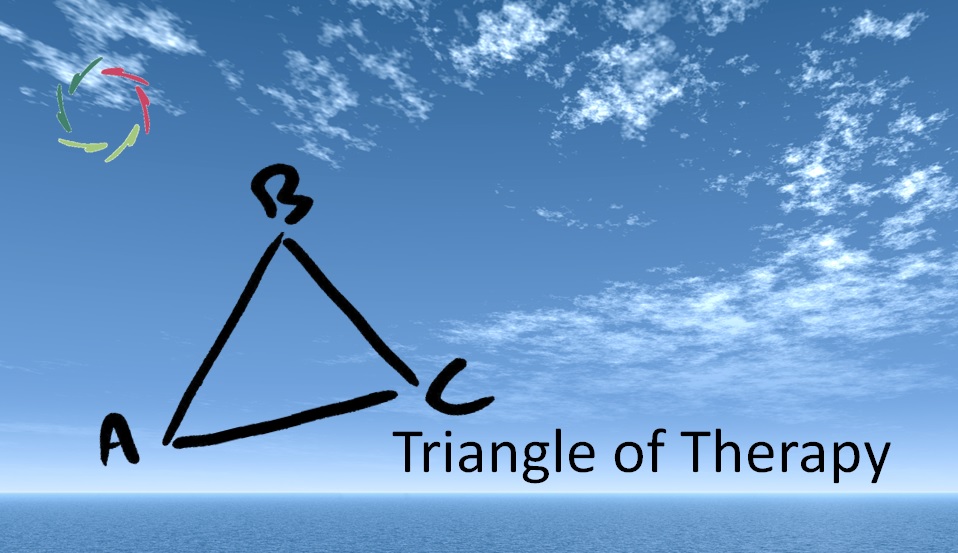
This is a conceptual landscape of psychotherapy/coaching. The three corners are A) Instrumental methodologies, B) Good-friend-therapy, and C) Open coaching. Conceptual landscape This has an abstract intention, being about concepts. The three corners are extremes of three continua (the triangle’s lines). Individuals and individual opinions can be present at any point (or subarea) within this Read the full article…
How Lisa Coaches the ‘Feeling of Falling Apart’
Lisa’s approach in this is not to cover up the cracks. Instead, she helps transform fragile moments into a path toward wholeness. Many people face periods when they feel like ‘falling apart.’ This may arise in burnout, in grief, in overwhelming stress, or simply in the realization that one’s identity no longer holds together. See Read the full article…
Lisa as Facilitator of AURELIS Coaches
Lisa is not here to replace AURELIS coaches but to support, empower, and elevate them. She is a facilitator, a companion in growth, and a guardian of AURELIS as a brand of excellence. Just as an AURELIS coach guides a coachee without coercion, Lisa interacts with coaches in the same way. She offers depth, reflection, Read the full article…