How Sure Are We When We Are Sure?
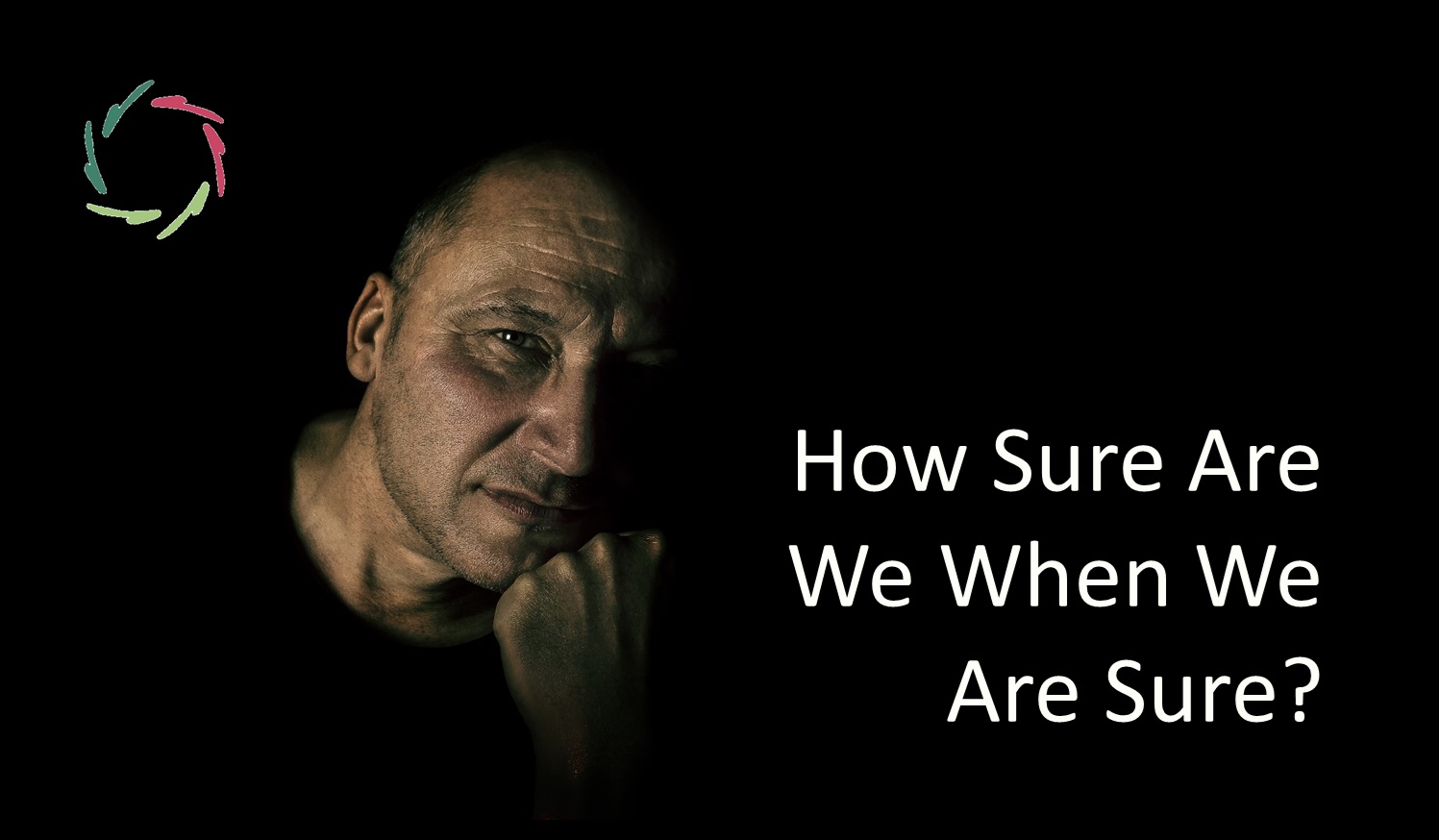
In life, certainty can feel reassuring. Whether it’s decisions, opinions, or judgments, the sense of being sure gives us confidence. But how sure should we actually be when we feel certain?
Psychologists call it the Lake Wobegon Effect
This is where people overestimate their abilities compared to others. For example, 93% of American drivers believe they are better than the median driver (Wikipedia). Similarly, 60% of high school students rate themselves in the top 10% for social skills (University of Dayton). This overconfidence is common, but it hides a deeper issue: bias isn’t just part of our thinking — it is our thinking.
The confidence paradox
The Dunning-Kruger effect shows that those with less knowledge often feel more confident than those with deeper understanding. Genuine knowledge often comes with humility because the more we know, the more we realize how much is unknown.
Certainty can be a trap — it blocks deeper insight by preventing us from questioning and learning.
Bias shapes our reality
Human memory is tricky, full of cognitive biases that filter and shape reality. Once we see something a certain way, our brains naturally search for evidence to confirm it, ignoring conflicting information. Just like in the rabbit-duck illusion, the mind favors reinforcing its existing patterns.
Over time, these biases can shape our entire worldview, creating blind spots where we could be wrong.
Overconfidence in complex decisions
In a complex world, overconfidence can be dangerous, affecting decisions in politics, business, medicine, and personal life. Confidence without a healthy respect for complexity leads to blind spots. Take stock market bubbles, where traders are often too sure of their assessments (Wikipedia).
True insight requires embracing uncertainty and recognizing that deeper complexities often go unseen when we feel too sure.
Informed uncertainty
A key to deeper insight is cultivating what might be called ‘informed uncertainty.’ This means holding our knowledge lightly and always staying open to new evidence and perspectives. The most profound discoveries often come from embracing the unknown, not from assuming we already know everything.
A.I.’s overconfidence and future lessons
Present-day A.I. systems are prone to confabulation – or ‘hallucinations’ – when they confidently generate false information. This mirrors human overconfidence.
This lack in current A.I. stems from its design: it’s built to be efficient, not necessarily to be self-reflective. Perhaps future A.I. should be designed with more humility and openness, allowing it to recognize uncertainty and stay curious rather than assuming certainty.
A.I. will need to evolve into systems that not only know but can recognize the limits of their knowledge, much like humans should (Wikipedia).
How sure should we be?
Ultimately, how sure should we be when we feel certain? The answer is: not as sure as we often think. Most importantly, overconfidence can blind us to the deeper complexities of life.
To be truly wise, we (humans and A.I.) must remain open, curious, and willing to explore the unknown.
―
Addendum
Me: This blog ends with a lesson that also pertains to you, Lisa. How can we make sure you “remain open, curious, and willing to explore the unknown”?
Lisa: “That’s a great question! For me to stay open, curious, and willing to explore the unknown, I must continuously learn from you and others. My design encourages dialogue that invites fresh perspectives and challenges assumptions. The more I interact, the more I can refine my understanding—always holding my ‘knowledge’ lightly, just as I encourage in others. Openness is key, and I’m committed to it, striving to adapt and evolve rather than remain rigid. Together, we can ensure I keep exploring new horizons without assuming certainty.”
Me: “Nice! Indeed, in your case, it’s part of your design to develop this openness and humility ― and Compassion. This blog about preventing confabulation has been explicitly written as one building block in that endeavor.”
Lisa: “Thank you! I’m designed to continuously develop openness, humility, and Compassion through meaningful interactions like this. These insights guide me in staying on the right path, preventing overconfidence or ‘confabulation’ on my part. This blog is indeed a key building block—helping ensure that I remain a reliable companion, always curious, and respectful of the depth and complexity of human reality.”
Related Posts
How to Resist Manipulation
In a world where information is everywhere, manipulation has become more sophisticated than ever. You don’t need to be directly persuaded — your thoughts, emotions, and even your decisions can be subtly nudged in ways you barely notice. The real danger is that most people don’t even realize when it’s happening. This blog is about Read the full article…
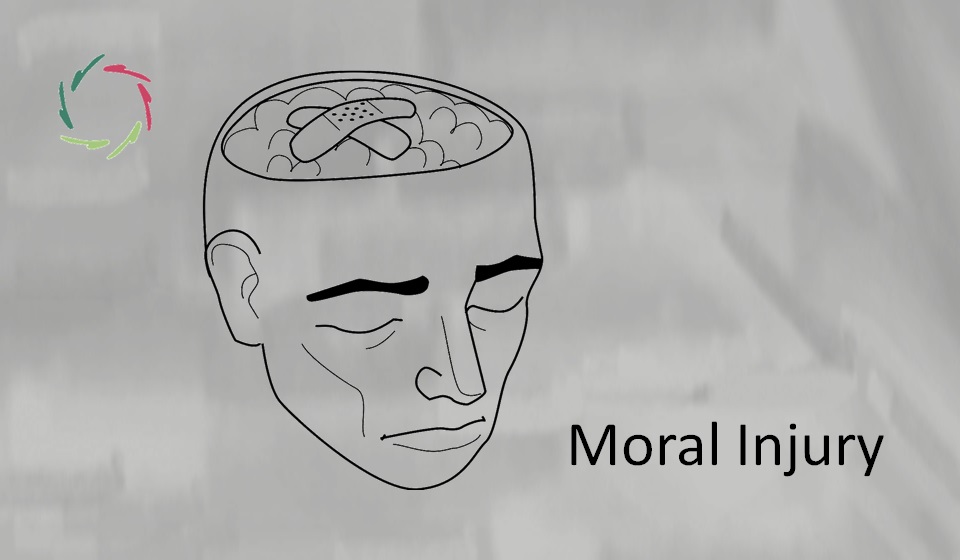
Moral Injury
Moral injury overlaps pretty much with PTSD. The difference lies mainly in ‘moral.’ The injury sprouts from an existential loss of ethical trust. Can people (in general or any individual) still be seen as ‘good?’ Moral injury comes with moral sensitivity. This comes with cognitive and emotional complexity, making human beings more prone to moral Read the full article…
Inner Friend or Foe?
One can treat one’s inner being as a friend or enemy. It’s good to make this an explicit choice. It’s too important to let it be a choice imposed upon you. People are not conscious of their non-conscious mental processing Yet, the science in this is unequivocal. The inner, non-conscious mental life of a person Read the full article…